Small cars



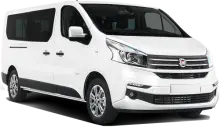


Choose the right car for your trip in Uyo, Nigeria and book in minutes. Compare trusted rental options, find great daily rates, and secure convenient airport pick-up for your travel dates.
Arriving at Akwa Ibom Airport and planning to explore Uyo and beyond? Renting a car offers flexibility, but it’s good to know what to expect with the pickup process, potential costs, and driving conditions. This guide will walk you through securing a rental, understanding your options, and navigating the roads in Nigeria.
Rental car desks are generally located within the main terminal building at Akwa Ibom Airport. You’ll typically find representatives from several companies offering services. Follow the signs for ‘Car Rental’ or ‘Ground Transportation’ upon arrival. Pickup points can vary; some companies offer on-site facilities, while others may provide a shuttle service to an off-airport location. Be sure to confirm the exact pickup location when you make your reservation.
Several well-known rental companies usually operate at Akwa Ibom Airport, providing a range of vehicles to suit different needs and budgets. You can generally expect to find options from companies like Avis, Budget, Hertz, and Sixt. Here’s a look at some of the most commonly rented car types:
| Car Class | Typical Daily Price (USD) |
|---|---|
| Economy | $25 - $40 |
| Compact | $35 - $50 |
| Intermediate | $45 - $65 |
| Standard | $55 - $80 |
| SUV | $70 - $120 |
| Luxury | $150+ |
Please note: prices change by season and availability.
To rent a car in Nigeria, you’ll generally need a valid driver’s license (international permits are often accepted, but check with the rental company), a valid passport, and a credit card in the renter’s name. The minimum age requirement is typically 21 or 25, though some companies may impose higher age restrictions or additional fees for younger drivers. A security deposit is standard practice; the amount will be held on your credit card and released upon the vehicle’s safe return. Payment methods are usually major credit cards, but it’s wise to confirm accepted forms of payment beforehand.
Rental companies will offer various insurance options. Collision Damage Waiver (CDW) covers damage to the rental vehicle, while Theft Protection covers loss due to theft. Often, these come with an ‘excess’ – the amount you’re still responsible for in the event of damage or theft. You can reduce this excess by purchasing additional insurance, but this will increase the rental cost. Carefully review the terms and conditions of each insurance option and consider whether your existing travel insurance or credit card benefits provide adequate coverage. Don’t hesitate to ask the rental agent to explain the details clearly.
Driving in Nigeria requires awareness and patience. Roads can vary in condition, and traffic can be heavy, especially in urban areas. Speed limits are generally posted in kilometers per hour. Toll roads exist in some parts of the country; have small denominations of local currency available for payment. Parking can be challenging in cities, so be prepared to seek out designated parking areas or ask for guidance from locals. It’s always a good idea to drive defensively and be mindful of pedestrians and other road users.
It depends on the rental company. Some accept your home country license, while others require an international permit. Check beforehand.
Major credit cards are generally accepted, but debit cards may have restrictions. Confirm accepted payment methods when booking.
The excess is the amount you pay towards damage or theft, even with insurance. You can reduce it with extra coverage.
Driving at night is possible, but be extra cautious. Roads may be poorly lit, and traffic can be unpredictable.
Yes, some roads have tolls. Keep small denominations of local currency handy for payment.
Report the accident to the police and your rental company immediately. Get a police report for insurance claims.
Yes, but you’ll need to declare the additional driver and they must meet the rental requirements.
Late returns usually incur extra charges. Check the rental agreement for details.
Yes, a GPS or smartphone with maps is highly recommended, especially if you plan to explore outside of Uyo.
Road conditions vary. Major roads are generally paved, but expect potholes and uneven surfaces on smaller routes.
Parking can be limited in the city center. Look for designated parking areas or ask locals for advice.
Absolutely. Carefully inspect the car for any existing damage and document it with the rental company to avoid being charged later.