Small cars


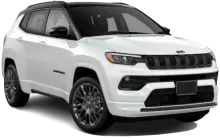
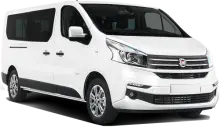

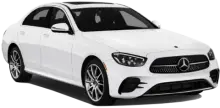
Choose the right car for your trip in Yola, Nigeria and book in minutes. Compare trusted rental options, find great daily rates, and secure convenient airport pick-up for your travel dates.
Arriving at Yola Airport and planning to explore the region by car? Renting a vehicle offers flexibility, but it’s good to know what to expect regarding pickup procedures, costs, and driving conditions. This guide provides practical information to help you navigate the car rental process at Yola Airport (YOL) and feel confident on Nigerian roads.
Rental car desks are generally located within the arrivals hall of Yola Airport. You’ll likely find representatives from several companies offering services there. Follow the signs for ‘Car Rental’ or ‘Ground Transportation’ upon exiting the baggage claim area. Pickup points for the actual vehicles are usually a short shuttle ride from the terminal; staff will direct you. Allow extra time for paperwork and vehicle inspection, especially during peak travel seasons.
Several international and local companies typically operate at Yola Airport. You can generally expect to find options from providers offering a range of vehicles. Popular choices include:
Here’s a general idea of daily price ranges (prices change by season and availability):
| Car Class | Approximate Daily Price (USD) |
|---|---|
| Economy | $30 - $50 |
| Compact | $40 - $60 |
| SUV | $70 - $120 |
| Full-Size | $60 - $90 |
| Luxury | $150+ |
To rent a car in Nigeria, you’ll generally need a valid driver’s license (international permits are often accepted, but check with the rental company), a passport, and a credit card in the renter’s name. The minimum age is usually 21 or 25, with potential surcharges for younger drivers. Rental companies will require a security deposit, typically held on your credit card. Be aware of the deposit amount and the process for its return. Payment is usually accepted by major credit cards, but cash may be limited.
Rental companies will offer various insurance options. Collision Damage Waiver (CDW) covers damage to the rental vehicle. Theft Protection covers loss due to theft. Excess insurance reduces the amount you’re liable for in case of damage or theft. Carefully review the terms of each insurance option and consider your existing coverage. Don’t hesitate to ask the rental agent to explain the details and what is *not* covered.
Driving in Nigeria requires awareness and patience. Roads can vary in condition, and traffic can be heavy, especially in urban areas. Speed limits are generally posted in kilometers per hour. Toll roads exist in some parts of the country; have small denominations of local currency available. Parking can be challenging in cities; look for designated parking areas or ask locals for advice. It’s always best to drive defensively and be prepared for unexpected situations.
It depends on the rental company. Many accept a valid driver’s license from your home country, but an international permit is often recommended.
Major credit cards are generally accepted. Cash may be accepted, but it’s best to confirm with the rental company beforehand.
The deposit amount varies, but it’s usually equivalent to the estimated rental cost plus a security margin.
Collision Damage Waiver covers damage to the rental vehicle itself, but often excludes tires, windows, and the undercarriage.
Insurance is not always mandatory, but it’s highly recommended to protect yourself financially.
Yes, some roads have tolls. Keep some local currency handy for toll payments.
In Nigeria, they drive on the right side of the road.
Rental cars should include a spare tire and tools. If you’re unsure how to change a tire, contact the rental company for assistance.
Yes, but you’ll likely need to pay an additional fee and the additional driver must meet the rental requirements.
Late returns usually incur extra charges, often calculated per hour or day.
Absolutely. Carefully inspect the car for any existing damage and document it with the rental company to avoid being charged later.
A GPS device or smartphone with a map application is highly recommended, but be aware that coverage can be spotty in some areas.