Small cars



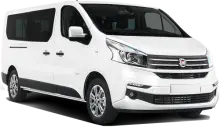


Choose the right car for your trip in Port Harcourt, Nigeria and book in minutes. Compare trusted rental options, find great daily rates, and secure convenient airport pick-up for your travel dates.
Arriving at Port Harcourt International Airport and planning to explore the city or surrounding areas? Renting a car offers flexibility, but it’s good to know what to expect with the pickup process, potential costs, and driving conditions. This guide provides practical information to help you navigate car rental at PHC.
Rental car desks are generally located within the main terminal building, often near the baggage claim area. Follow the signs for ‘Car Rental’ or ‘Ground Transportation’ upon arrival. Several companies typically operate at Port Harcourt International Airport, offering a range of vehicles. You’ll commonly find options from well-known providers.
The best car for you depends on your travel plans. For city driving and fuel efficiency, an economy or compact car is a good choice. If you’re planning to travel on less-maintained roads or with a group, an SUV provides more space and capability. For business travelers or those seeking comfort, a mid-size or luxury vehicle might be preferred. Here’s a general idea of what’s available:
| Car Class | Typical Daily Price (USD) |
|---|---|
| Economy | $30 - $50 |
| Compact | $40 - $60 |
| Intermediate | $50 - $70 |
| SUV | $70 - $120 |
| Luxury | $150+ |
Prices change by season and availability.
To rent a car in Nigeria, you’ll generally need a valid driver’s license (international permits are often accepted, but check with the rental company), a passport, and a credit card in the renter’s name. The minimum age is usually 21 or 25, with potential surcharges for younger drivers. Rental companies will require a security deposit, typically held on your credit card. Be sure to understand the deposit amount and the process for its return. Payment is almost always by credit card; cash is rarely accepted.
Rental companies will offer various insurance options. Collision Damage Waiver (CDW) covers damage to the rental car itself. Theft Protection covers loss or damage due to theft. ‘Excess’ refers to the amount you’re responsible for paying in the event of damage or theft, even with CDW or Theft Protection. Ask the rental agent to clearly explain the coverage details, the excess amount, and whether your existing auto insurance or credit card benefits provide any coverage. It’s wise to understand exactly what you’re covered for before driving away.
Driving in Nigeria requires awareness. Roads can vary in condition, and traffic can be heavy, especially in urban areas. Speed limits are generally posted in kilometers per hour. Toll roads exist in some areas; have small denominations of local currency available. Parking can be challenging in city centers. Be mindful of local driving habits and exercise caution. It’s always a good idea to plan your route in advance and allow extra time for travel.
Generally, yes, but it’s best to confirm with the rental company beforehand. Some may require a Nigerian driver’s license in addition.
Almost all rental companies require a major credit card in the renter’s name for both payment and the security deposit.
CDW (Collision Damage Waiver) covers damage to the rental vehicle itself, but usually doesn’t cover tires, windows, or the undercarriage.
It depends on your existing coverage. Rental companies will offer insurance, but you may be covered by your personal auto insurance or a credit card benefit.
The ‘excess’ is the amount you’re responsible for paying if there’s damage or theft, even with insurance coverage.
Yes, but availability can be limited. It’s best to reserve an automatic transmission in advance if that’s your preference.
Report any damage to the rental company immediately. They’ll assess the damage and explain the process for filing a claim.
Yes, some roads have tolls. It’s helpful to have small denominations of local currency available for toll payments.
Driving at night requires extra caution. Roads may be poorly lit, and traffic can be unpredictable.
Rental cars should be equipped with a spare tire and tools. If you’re uncomfortable changing it yourself, contact the rental company for assistance.
Yes, but you’ll need to declare the additional driver at the rental desk and they may need to meet the same requirements as the primary driver.
Late returns usually incur extra charges, often calculated per hour or day. Check the rental agreement for details.