Small cars

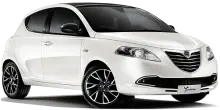
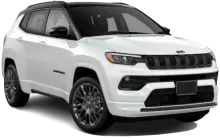
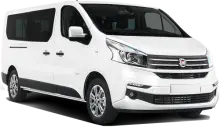
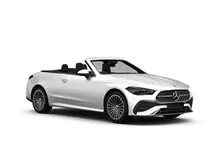

Choose the right car for your trip in Douala, Cameroon and book in minutes. Compare trusted rental options, find great daily rates, and secure convenient airport pick-up for your travel dates.
Arriving at Douala Airport and planning to explore Cameroon by car? Renting a vehicle offers flexibility, but it’s good to know what to expect with the pickup process, potential costs, and local driving conditions. This guide covers everything from finding your rental desk to understanding insurance options and navigating the roads.
Rental car desks at Douala Airport are generally located within the arrivals area of the main terminal building. You’ll likely find representatives from several companies offering services. While specific locations can change, look for signage directing you to the car rental counters after you collect your luggage. Pickup points for the actual vehicles are usually a short shuttle ride from the terminal; staff will direct you.
Several international and local companies typically operate at Douala Airport. You can generally expect to find options from well-known providers. When choosing, consider the type of travel you’re planning. Here are some popular car classes:
| Economy | $25 - $40 / day |
| Compact | $30 - $50 / day |
| Intermediate | $40 - $60 / day |
| SUV (Small) | $60 - $90 / day |
| SUV (Large) | $90 - $150 / day |
| Luxury | $150+ / day |
Prices change by season and availability.
To rent a car in Cameroon, you’ll generally need a valid driver’s license from your home country. An International Driving Permit (IDP) is often recommended, especially if your license isn’t in French or English. Most rental companies require renters to be at least 21 years old, though age restrictions and associated fees may apply for those under 25. Be prepared to present your passport, driver’s license, and a major credit card in the renter’s name. Deposits are standard and are typically held on your credit card as a security measure. Payment methods are usually major credit cards; debit cards may be accepted with restrictions.
Rental companies will offer various insurance options. Collision Damage Waiver (CDW) covers damage to the rental vehicle itself. Theft Protection covers loss or damage due to theft. Often, these come with an ‘excess’ – the amount you’re still responsible for in case of damage or theft. You can reduce this excess by purchasing additional insurance, but this adds to the cost. Carefully review what your existing car insurance or credit card benefits already cover before accepting additional insurance at the rental desk. Don’t hesitate to ask the agent to clearly explain the terms of each insurance option.
Driving in Cameroon requires awareness. Roads can vary in condition, and traffic can be unpredictable. Speed limits are generally posted in kilometers per hour. While toll roads are not widespread, be prepared for occasional checkpoints. Parking in Douala can be challenging, especially in the city center. It’s best to ask your hotel for parking recommendations. Be patient, drive defensively, and be prepared for local driving habits.
An IDP is often recommended, even if your license is in English. It can simplify the rental process.
Major credit cards are generally accepted. Debit card acceptance varies.
Most companies require renters to be at least 21, with potential fees for those under 25.
CDW covers damage to the rental car, but usually has an 'excess' you're responsible for.
Theft insurance covers loss or damage due to theft. Consider your risk tolerance.
Road conditions vary. Be prepared for some roads to be less well-maintained.
Toll roads are not widespread in Cameroon.
Parking can be difficult, especially downtown. Ask your hotel for advice.
Report the accident to the police and your rental company immediately.
Yes, but you’ll likely need to pay an additional fee and the extra driver must meet the rental requirements.
The 'excess' is the amount you pay towards any damage or theft before the insurance covers the rest.
Absolutely. Carefully inspect the car for any existing damage and document it with the rental company.