Small cars



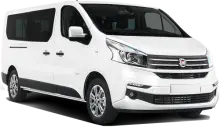


Choose the right car for your trip in Tokyo, Japan and book in minutes. Compare trusted rental options, find great daily rates, and secure convenient airport pick-up for your travel dates.
Car rental at Tokyo Haneda Airport (HND) can be a strong choice, but only when it fits the structure of the trip. Many travelers assume airport pickup is automatically the most convenient option. Sometimes it is—especially when you are leaving Tokyo quickly, continuing across Japan by road, or managing a family itinerary with several stops and substantial luggage. But if the first part of the trip is centered in Tokyo itself, renting too early can add cost, parking stress, urban driving complexity, and unnecessary friction. The best choice depends on where the journey goes after landing, not simply on the rental desk being available.
This guide helps you compare car rental at Haneda in a practical, decision-support way. Instead of treating car hire as a default add-on, we look at when it genuinely creates value, how pickup typically works, which costs matter most, and when rail, airport transfer, or staged pickup is actually the better opening move. That is how you decide whether a rental improves the trip or complicates it.
HND is a strong airport pickup point for travelers who want to leave the Tokyo area efficiently and continue by road. It is especially useful for regional itineraries outside the city, family trips with multiple bases, resort or countryside travel, and routes where local mobility beyond Tokyo matters. It also works well if your accommodation is outside central Tokyo or in a place where public-transport changes would create more hassle than value.
Where airport rental becomes less attractive is on a city-first itinerary. If your first days are based in Tokyo, the case for renting at the airport usually weakens. Parking can be expensive, urban driving adds little value, and public transport or direct transfer is often more practical. In that situation, many travelers get a better outcome by reaching the city without a car and renting later only when the road portion begins.
| Trip pattern | Usually a good fit for car rental? | Why |
|---|---|---|
| Tokyo city break only | Usually no | Public transport and city costs make a car unnecessary |
| Family road trip beyond Tokyo | Usually yes | Flexibility and luggage handling matter more |
| Business stay in central Tokyo | Often no | Rail or transfer is usually easier than city driving |
| Regional itinerary outside Tokyo | Yes | Airport pickup saves time and improves independence |
| Out-of-city hotel or resort stay | Often yes | Door-to-door mobility can outweigh rental cost |
Haneda is a large and efficient airport, but the real pickup flow still matters more than many travelers expect. Depending on the provider, the process may involve a desk in or near the terminal, a short transfer to a vehicle collection zone, or an off-terminal handoff. That is why the best booking is not always the lowest daily rate. A provider with a simpler pickup process, better late-arrival handling, or more efficient handoff can produce stronger real-world value than the cheapest offer on a search page.
Before booking, check where the desk or meeting point is, whether a shuttle step is involved, how late pickups are handled, and what happens if your inbound flight is delayed. These details often matter much more after a real journey than they do while comparing rates online.
Most Haneda car-rental bookings require a valid driving licence, passport or ID, and a payment card in the main driver’s name for the security deposit. International travelers should also verify whether an International Driving Permit or supplementary documentation is required for their licence type. The deposit is one of the most important comparison points because a low daily rate can still tie up a meaningful amount of travel budget once the hold is placed.
When comparing offers, focus on three things together: base price, deposit logic, and insurance excess. Many travelers compare only the daily rate and then discover too late that the real cost or risk level of the booking is less attractive than expected.
The final cost of renting at HND usually depends on season, booking lead time, vehicle class, insurance package, additional driver fees, child seats, one-way plans, and optional extras. In Japan, vehicle practicality and parking fit can matter more than simply booking a larger category. Travelers who overbook size often pay more without gaining much real benefit.
| Cost factor | What to compare | Why it matters |
|---|---|---|
| Base rate | Daily or total rental price | Low rates may exclude useful essentials |
| Deposit | Amount blocked on card | Affects available budget during the trip |
| Insurance excess | Your remaining liability | Changes the real risk level |
| Fuel policy | Return requirements | Affects convenience and final cost |
| Additional driver | Per-day or per-rental fee | Important for shared driving itineraries |
| Extras | Seats, ETC, navigation, equipment | Often easier to compare before arrival |
| One-way return | Different drop-off location charge | Can materially change trip value |
The right car depends on the route, not only on luggage. Travelers heading into regional Japan or between multiple bases may appreciate more space and comfort, but many visitors still overestimate how much car they need. A compact or smaller vehicle often works very well, especially if the itinerary still includes city parking, hotel access, or tighter roads. Choosing a manageable car category can improve both the driving experience and the cost profile.
Think about where you will actually drive. A larger vehicle may feel safer on paper, but a smaller category can be easier to live with in practice if the itinerary includes urban areas, structured parking, or frequent stops.
Insurance is one of the biggest value decisions in any airport rental. The key issue is not simply whether some cover exists, but how much excess remains and how comfortable you are carrying that risk. If you are driving in unfamiliar conditions, using a car for several days, or want a lower-stress experience, stronger coverage may easily justify the extra cost. A cheaper booking with high liability is not always the better booking.
The right balance depends on the route and the driver. Experienced Japan drivers may accept more exposure. First-time visitors, family travelers, and anyone wanting smoother peace of mind often do better by reducing the excess before pickup instead of making that decision under pressure at the desk.
The real question is not whether driving in Japan is possible—it is. The more useful question is whether you want your first hour after landing to involve urban roads, navigation, and Tokyo traffic if the trip starts in the city. That is why Haneda rental is strongest when you truly benefit from immediate self-drive freedom. If the first destination is central Tokyo, the convenience case weakens. If you are heading outward quickly or building a regional Japan itinerary, the value becomes much stronger.
For many travelers, the smartest pattern is simple: transfer into Tokyo first, enjoy the city without a car, and rent later when leaving. For others—especially regional explorers, family travelers, and resort or countryside visitors—airport pickup at HND is absolutely the right move. The better choice is the one that matches the actual route.
Families needing larger vehicles, travelers who want specific vehicle categories, and anyone arriving during holiday peaks should usually book earlier because those categories narrow first and become expensive faster. Flexible travelers with simpler needs may have more room to compare, but even then the best move is usually to secure the booking once pickup flow, deposit, and insurance terms all make sense together.
The best car rental at Tokyo Haneda Airport is not the cheapest headline rate. It is the option that fits your route, your luggage, your comfort with local driving, and the way the trip actually starts after landing. Compare pickup ease, deposit, coverage, and whether immediate airport rental genuinely improves the journey before you commit.
Compare car rental at Tokyo Haneda Airport now and book the option that genuinely supports your Japan itinerary.
A valid driving licence, passport or ID, the correct International Driving Permit where required, and a major credit card in the main driver’s name are usually the safest combination because the credit card is the method most commonly accepted for the security deposit. Travelers planning to rely on a debit card should verify the provider’s policy before booking, as some suppliers apply restrictions or extra conditions. The key comparison is not only whether the booking can be paid for, but how large the deposit hold will be and how that affects the rest of your travel budget.
Major credit cards are almost always accepted. Debit cards may have restrictions.
Review your insurance coverage. CDW helps, but understand your excess amount.
Usually not. For a city-first itinerary, rail, monorail, or airport transfer is often the better opening move because central Tokyo parking, urban driving, and limited need for a car can turn airport rental into unnecessary stress and cost. Renting at HND makes much more sense when you are leaving Tokyo quickly, heading into a regional road trip, or staying somewhere outside the city where a car adds real value.
Very common. Consider an ETC card for easier payment.
Yes, but there’s usually an additional daily fee.
You’ll likely be charged for an extra day’s rental.
Often available as an add-on, or you can use your smartphone’s navigation.
The left side of the road.
This varies, but expect several hundred USD to be held on your credit card.
It’s very difficult. Most companies require a credit card in the driver’s name.
Yes, most rental cars in Japan have automatic transmissions.