Small cars

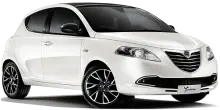
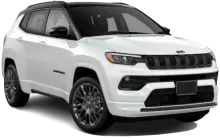
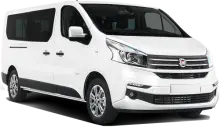


Choose the right car for your trip in Mombasa, Kenya and book in minutes. Compare trusted rental options, find great daily rates, and secure convenient airport pick-up for your travel dates.
Arriving at Moi International Airport and planning to explore Mombasa and beyond? Renting a car offers fantastic freedom, but the pickup process, costs, and local driving conditions can be different than what you’re used to. This guide will walk you through what to expect when renting a car at MBA, helping you start your Kenyan adventure smoothly.
Rental car desks are generally located within the main terminal building, usually near the arrivals area. Follow the signs for ‘Car Rental’ or ‘Ground Transportation’ after you collect your luggage. Several companies typically operate at Moi International Airport, including well-known international providers and local Kenyan agencies. Expect a bit of walking, as the desks aren’t always immediately visible upon exiting baggage claim.
The best car for you depends on your plans. For city driving and short trips, an economy or compact car is practical. If you’re heading inland or plan to explore rougher terrain, an SUV is a good choice. Here are ten popular rental car types you’ll likely find at MBA:
| Car Class | Typical Daily Price (USD) |
|---|---|
| Economy (e.g., Toyota Vitz) | $25 - $40 |
| Compact (e.g., Nissan Sunny) | $35 - $50 |
| Intermediate (e.g., Toyota Corolla) | $45 - $65 |
| Standard (e.g., Toyota Camry) | $60 - $80 |
| SUV (e.g., Toyota RAV4) | $70 - $120 |
| 4x4 (e.g., Land Rover Discovery) | $150+ |
Prices change by season and availability.
Generally, you’ll need a valid driver’s license from your home country. An International Driving Permit (IDP) is often recommended, and sometimes required, especially if your license isn’t in English. The minimum age to rent a car is usually 21, but drivers under 25 may face additional fees. Be prepared to present your passport, driver’s license, and a major credit card in the renter’s name. Debit cards are sometimes accepted, but often with restrictions. Rental companies will require a security deposit, which is typically held on your credit card. The amount varies depending on the car class, but expect several hundred US dollars. Payment is almost always in USD at the airport.
Rental agreements come with a lot of insurance jargon. Collision Damage Waiver (CDW) covers damage to the rental car itself. Theft Protection covers the vehicle if it’s stolen. Both often have an ‘excess’ – the amount you’re still responsible for paying in case of damage or theft. You can often reduce the excess by purchasing additional insurance at the rental desk, but this adds to the cost. Check if your credit card or travel insurance already provides coverage before accepting extra insurance. Don’t hesitate to ask the rental agent to clearly explain the terms of each insurance option.
Driving in Kenya can be an adventure. Roads vary significantly, from well-maintained highways to unpaved tracks. Speed limits are generally posted in kilometers per hour. Be aware of matatus (local minibuses) which can be unpredictable. Parking in Mombasa can be challenging, especially in the city center. Toll roads are not common, but you may encounter road user charges on some highways. It’s always best to drive defensively and be prepared for unexpected situations.
An IDP is often recommended, and sometimes required, especially if your driver’s license isn’t in English. Check with the rental company beforehand.
Major credit cards are almost always required. Debit cards may be accepted with restrictions.
The minimum age is usually 21, but drivers under 25 may pay extra fees.
CDW (Collision Damage Waiver) covers damage to the rental car itself, but usually has an excess amount you’re still responsible for.
Basic insurance is often included, but it’s important to understand what’s covered and what isn’t. Consider additional insurance options.
Carefully inspect the car for any existing damage and document it with photos or on the rental agreement before leaving the lot.
A 4x4 is recommended if you plan to travel off the main roads or explore more remote areas.
The rental company will place a hold on your credit card for the deposit amount. It’s usually refunded when you return the car undamaged.
Toll roads are not common, but you may encounter road user charges on some highways.
Driving defensively and being aware of your surroundings is important. Be cautious of matatus and road conditions.
In Kenya, they drive on the left side of the road.
Yes, but you’ll likely need to pay an additional daily fee and the extra driver must meet the rental requirements.