Small cars

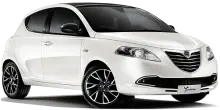
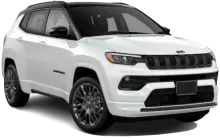
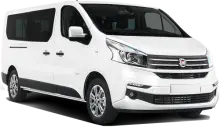
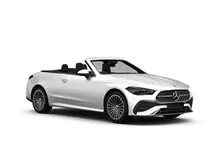

Choose the right car for your trip in Melbourne, Australia and book in minutes. Compare trusted rental options, find great daily rates, and secure convenient airport pick-up for your travel dates.
Arriving at Tullamarine Airport and wanting the freedom of a rental car is a smart move for exploring Melbourne and beyond. The process usually involves a quick pickup, some paperwork, and understanding the costs involved – including insurance and potential tolls. This guide will walk you through everything you need to know to get on the road with confidence.
Rental car desks are generally located within the main terminal building, often clearly signposted. You’ll typically find a consolidated rental car area, making it easy to compare options. Several companies commonly operate at Tullamarine Airport, offering a wide range of vehicles. Expect to see familiar names like Avis, Budget, Hertz, Europcar, and Thrifty, among others. After completing the paperwork, you’ll usually be directed to a parking garage or lot nearby to collect your vehicle.
Choosing the right car depends on your travel plans. Here are some popular options you’ll likely find available:
| Economy | $30 - $50/day |
| Compact | $40 - $60/day |
| Intermediate | $50 - $70/day |
| Standard | $60 - $80/day |
| SUV (Small/Medium) | $70 - $120/day |
| Luxury/Premium | $100+/day |
Prices change by season and availability.
For city driving, an economy or compact car is often ideal. If you’re planning to explore the Great Ocean Road or venture into more rural areas, a larger vehicle like an SUV might be more comfortable. Families often prefer SUVs or people movers for extra space.
Generally, you’ll need a valid driver’s license held for at least one year. International visitors will usually need an International Driving Permit alongside their home country license. The minimum age to rent a car is typically 21, though drivers under 25 may face additional fees. Be prepared to present a valid credit card in the renter’s name; debit cards are often not accepted for the deposit. Rental companies will require a security deposit to cover potential damage or excess mileage. This deposit is usually refunded when the car is returned in good condition.
Rental companies will offer various insurance options. Collision Damage Waiver (CDW) covers damage to the rental vehicle itself. Theft Protection covers loss or damage due to theft. Often, there’s an ‘excess’ – the amount you’re still liable for in the event of a claim. You can reduce this excess by purchasing additional insurance, but it adds to the overall cost. Check if your existing travel insurance or credit card provides rental car coverage before accepting additional insurance at the desk. Don’t hesitate to ask the rental agent to clearly explain the terms of each insurance option.
Australia drives on the left side of the road. Speed limits are generally indicated in kilometers per hour. In urban areas, the speed limit is typically 50 km/h, while on highways it can be 100 km/h or higher. Be aware of toll roads, particularly around Melbourne. Electronic tolling systems are common, and you may need to rent a toll tag or pay tolls online after your trip. Parking regulations vary, so pay attention to signage to avoid fines. Road conditions are generally good, but distances can be vast, so plan your journeys accordingly.
If your driver’s license isn’t in English, you’ll likely need an International Driving Permit alongside your original license.
A major credit card in the renter’s name is usually required for both payment and the security deposit.
The ‘excess’ is the amount you’re responsible for paying if the car is damaged or stolen, even with insurance.
Yes, but there’s usually an extra daily fee for each additional driver.
Report any damage to the rental company immediately and follow their instructions for filing a claim.
Yes, some roads around Melbourne have tolls. You can rent a toll tag or pay online after your trip.
Australians drive on the left side of the road.
Parking can be limited and expensive in the city center. Look for parking garages or check signage for street parking.
You’ll likely be charged an extra day’s rental fee.
Generally, yes, but you should inform the rental company of your travel plans.
Contact the rental company immediately to report the loss and obtain replacements.
Yes, most rental companies offer child seats for an additional daily fee.