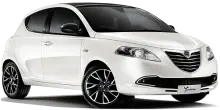
Small cars




Choose the right car for your trip in Shannon, Ireland and book in minutes. Compare trusted rental options, find great daily rates, and secure convenient airport pick-up for your travel dates.
Arriving at Shannon Airport and planning to explore Ireland by car is a fantastic idea. Picking up a rental is usually straightforward, but understanding the process – from paperwork to potential costs and local driving conditions – will help ensure a smooth start to your trip. This guide covers everything you need to know about renting a car at Shannon Airport (SNN).
Rental car desks are generally located within the main terminal building, easily accessible after you collect your luggage. You’ll typically find representatives from several companies offering services at Shannon Airport. Common rental companies operating here include well-known names. Follow the signs for ‘Car Rental’ or ‘Ground Transportation’ to find the desks. Some companies also operate shuttle services to off-airport pickup locations, though this is less common at Shannon.
The best car for you depends on your travel plans. For solo travelers or couples sticking to towns and cities, an economy or compact car is often ideal. Families or those planning to explore rural areas will appreciate the space of an SUV. Here’s a general idea of what’s typically available:
| Car Class | Typical Daily Price (USD) |
|---|---|
| Economy | $30 - $50 |
| Compact | $40 - $60 |
| Intermediate | $50 - $70 |
| Standard | $60 - $80 |
| SUV | $80 - $150 |
| Luxury | $150+ |
Prices change by season and availability.
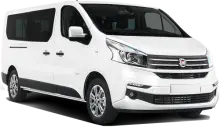
Beyond these, you can usually find options like convertibles for a scenic drive along the coast, or vans if you’re traveling with a larger group. Consider the roads you’ll be driving on – some rural routes can be narrow.
To rent a car in Ireland, you’ll generally need a valid driver’s license (held for at least one year), a credit card in the driver’s name, and a passport. The minimum age is typically 21, but drivers under 25 may face additional fees. Rental companies will require a security deposit, usually held on your credit card. This covers potential damage or excess mileage. Payment methods are almost always credit cards; debit cards are rarely accepted. Be prepared for this.
Rental companies will offer various insurance options. Collision Damage Waiver (CDW) covers damage to the rental car itself. Theft Protection covers theft or attempted theft. Often, there’s an ‘excess’ – the amount you’re still responsible for in the event of damage. You can reduce this excess by purchasing additional insurance, but it adds to the cost. Check if your credit card or existing car insurance provides any coverage before you travel. Don’t hesitate to ask the rental agent to clearly explain the terms of each insurance option.
Driving in Ireland is on the left side of the road. It takes a little getting used to! Speed limits are posted in kilometers per hour. Many roads outside of major cities are quite narrow, and you’ll encounter roundabouts frequently. Toll roads exist, and payment is often electronic. Parking in towns and cities can be limited and may require payment. Be aware of sheep and other animals on rural roads, especially at dawn and dusk. Take your time, enjoy the scenery, and drive safely.
You’ll typically need a valid driver’s license, a passport, and a credit card in the driver’s name.
Most companies require you to be at least 21, but drivers under 25 may pay extra.
Collision Damage Waiver covers damage to the rental car itself, but usually has an excess.
Generally, no. Most rental companies require a credit card for the deposit.
Yes, in Ireland you drive on the left side of the road.
Yes, some roads have tolls, and payment is often electronic.
Your security deposit will cover the cost of repairs, minus any insurance coverage you have.
Parking can be limited and often requires payment, especially in city centers.
An SUV or a smaller, more maneuverable car is often a good choice for narrow country roads.
The excess is the amount you’re still responsible for paying if the car is damaged, even with insurance.
Consider your existing coverage and risk tolerance. Reducing the excess can provide peace of mind.
They are usually located within the main terminal building, after baggage claim.