Small cars


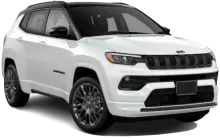



Choose the right car for your trip in Salt Lake City, United States and book in minutes. Compare trusted rental options, find great daily rates, and secure convenient airport pick-up for your travel dates.
Picking up a rental car is often the most convenient way to explore Salt Lake City and the surrounding areas, from the mountains to the Great Salt Lake. The process usually involves a bit of paperwork, understanding the costs involved, and familiarizing yourself with local driving conditions. This guide will help you navigate car rental at Salt Lake City International Airport (SLC) with confidence.
Rental car desks are generally located within the airport’s main terminal, often accessible via shuttle services to off-airport facilities. Several companies typically operate at SLC, including well-known names. You’ll usually find a good selection of options to suit different needs and budgets.
Salt Lake City’s diverse landscape calls for a variety of vehicle types. Here are some popular choices:
| Economy | $30 - $50 / day |
| Compact | $35 - $60 / day |
| Mid-Size | $40 - $70 / day |
| Standard | $45 - $80 / day |
| SUV (Small/Mid) | $60 - $120 / day |
| Luxury | $80 - $150+ / day |
Prices change by season and availability.
For exploring the mountains, an SUV with all-wheel drive is a great choice, especially during the winter months. If you’re primarily sticking to city driving, an economy or compact car will likely be sufficient.
Generally, you’ll need a valid driver’s license, a credit card in your name, and be at least 21 years old to rent a car in the United States. Some companies may have higher age requirements or charge a young driver fee for renters under 25. A deposit will be required, typically held on your credit card, to cover potential damages or extra charges. Payment methods are almost always major credit cards; debit cards may be accepted with restrictions.
Rental companies will offer various insurance options. Collision Damage Waiver (CDW) covers damage to the rental car itself. Theft insurance protects against vehicle theft. Excess insurance reduces the amount you’d pay out-of-pocket in case of damage or theft. Check if your existing auto insurance or credit card provides coverage before purchasing additional insurance at the rental counter. Don’t hesitate to ask the agent to clearly explain the terms of each option.
Roads in Utah are generally well-maintained. Speed limits are typically posted in miles per hour. Be aware of changing weather conditions, especially in the mountains. Toll roads are uncommon in Utah, but parking regulations are enforced in city centers. Pay attention to parking signs to avoid tickets. During winter, snow tires or chains may be required in certain mountain areas.
You’ll typically need a valid driver’s license and a credit card in your name.
Most companies require renters to be at least 21, but some may be 25.
CDW covers damage to the rental car itself, but usually has an excess amount you’re still responsible for.
Debit cards are sometimes accepted, but often with more restrictions than credit cards.
Toll roads are not very common in Utah.
Be prepared for snow, especially in the mountains. Snow tires or chains may be needed.
A deposit is held on your credit card to cover potential damages or extra charges.
Report any damage immediately to the rental company and review your insurance coverage.
They are generally located within the airport terminal, with shuttle access to off-airport facilities.
Check if your existing insurance or credit card offers coverage first.
An SUV with all-wheel drive is a good choice, especially in winter.
Parking fees vary, but are generally enforced in city centers. Pay attention to signs.