Small cars


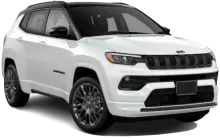



Choose the right car for your trip in Tucson, United States and book in minutes. Compare trusted rental options, find great daily rates, and secure convenient airport pick-up for your travel dates.
Arriving at Tucson International Airport and planning to explore the Sonoran Desert? Renting a car offers the most flexibility. This guide covers everything from finding your rental to understanding the roads, helping you start your trip smoothly. Expect the usual rental process: paperwork, a vehicle inspection, and understanding the costs involved.
Rental car desks are generally located within the main terminal building, often near the baggage claim areas. Many companies offer shuttle services to off-airport pickup locations, which is common practice. You’ll typically find a good selection of rental options from companies like Alamo, Avis, Budget, Enterprise, Hertz, and National. It’s always a good idea to compare rates and availability before you travel.
Tucson’s landscape lends itself to a variety of vehicle types. Here are some popular choices:
| Economy | $30 - $50 / day |
| Compact | $35 - $60 / day |
| Mid-Size | $40 - $70 / day |
| Standard | $45 - $80 / day |
| SUV (Small/Mid) | $60 - $120 / day |
| Luxury | $80 - $150+ / day |
Prices change by season and availability.
For exploring the desert and nearby mountains, an SUV can be a good choice. If you’re primarily sticking to city driving, an economy or compact car will likely be sufficient. Consider a convertible if you want to enjoy the warm weather!
Generally, you’ll need a valid driver’s license, a major credit card in your name, and be at least 21 years old to rent a car in the United States. Some companies may have higher age requirements or charge a young driver fee for renters under 25. A deposit will be required, typically held on your credit card as a security hold. Payment methods are usually major credit cards; debit cards may be accepted with restrictions. Be prepared to show proof of insurance if you intend to use your own coverage.
Rental companies will offer several insurance options. Collision Damage Waiver (CDW) covers damage to the rental car itself. Theft insurance protects you if the vehicle is stolen. Excess insurance reduces the amount you’d pay out-of-pocket in case of damage or theft. Your existing auto insurance policy or credit card benefits may already provide some coverage, so check before you accept additional insurance at the rental counter. Don’t hesitate to ask the agent to explain the details of each option.
Arizona generally has well-maintained highways with posted speed limits. Speed limits are typically 65 mph on rural interstates and lower in urban areas. Toll roads are uncommon in Arizona. Parking is generally available in downtown Tucson and at attractions, but can sometimes be limited during peak hours. Be aware of the desert environment – temperatures can be extreme, and wildlife may cross roads, especially at dawn and dusk. Always carry water, especially if you’re driving in remote areas.
You’ll typically need a valid driver’s license, a major credit card, and proof of insurance if you’re not purchasing coverage from the rental company.
Most companies require renters to be at least 21, but some may require 25. Younger drivers may face extra fees.
Collision Damage Waiver covers damage to the rental vehicle itself. It’s not a substitute for liability insurance.
Yes, you may be able to use your personal auto insurance or coverage provided by your credit card. Check with your providers first.
Toll roads are uncommon in Arizona, but it’s always good to check your route if traveling long distances.
An SUV offers good ground clearance and comfort for exploring desert roads, but a standard car is fine for city driving.
Report any damage to the rental company immediately and follow their instructions for filing a claim.
A deposit is a security hold placed on your credit card to cover potential costs like damage or late returns.
Parking is generally available, but can be limited in popular areas, especially during peak times.
Speed limits are typically 65 mph on highways and lower in cities. Pay attention to posted signs.
Most rental agreements require you to return the car with the same fuel level as when you picked it up, or pay a refueling fee.
One-way rentals are often possible, but usually come with a significant drop-off fee.