Small cars



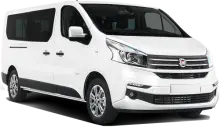


Choose the right car for your trip in Riga, Latvia and book in minutes. Compare trusted rental options, find great daily rates, and secure convenient airport pick-up for your travel dates.
Arriving at Riga International Airport and planning to explore Latvia by car? Renting a vehicle offers fantastic freedom, but the process can feel a little daunting. This guide covers everything from finding your rental desk to understanding the roads, helping you start your journey smoothly.
Rental desks are generally located within the main terminal building, easily accessible after you collect your luggage. You’ll typically find representatives from several companies offering services at Riga International Airport. Common providers include well-known international agencies. Allow ample time for paperwork – it often takes 20-30 minutes to complete, even if you’ve pre-booked. Be prepared to thoroughly inspect the vehicle with a representative before driving off, noting any existing scratches or damage on the rental agreement.
Riga and Latvia offer diverse landscapes, so the best car depends on your plans. For city driving and shorter trips, an economy or compact car is practical and fuel-efficient. If you’re heading into more rural areas or plan on carrying a lot of luggage, a larger vehicle like an SUV might be a better fit. Here’s a general idea of what’s typically available:
| Car Class | Approximate Daily Price (USD) |
|---|---|
| Economy | $20 - $35 |
| Compact | $25 - $40 |
| Intermediate | $35 - $50 |
| Standard | $45 - $65 |
| SUV | $60 - $100+ |
| Luxury | $100+ |
Prices change by season and availability.
To rent a car in Latvia, you’ll generally need a valid driver’s license held for at least one year. For many renters, an International Driving Permit (IDP) is also recommended, though not always legally required. The minimum age is usually 21, but drivers under 25 may face additional fees. Expect to present a valid passport and a major credit card in the driver’s name for the deposit. Debit cards are often not accepted for the deposit. The deposit amount can vary significantly depending on the car class, but it’s typically several hundred dollars.
Rental companies will offer various insurance options. Collision Damage Waiver (CDW) covers damage to the rental car itself, while Theft Protection covers theft or attempted theft. Often, these come with an ‘excess’ – the amount you’re still responsible for in case of damage or theft. You can reduce this excess by purchasing additional insurance, but it adds to the cost. Check if your credit card or existing car insurance provides any coverage before accepting additional insurance at the rental desk. Don’t hesitate to ask the agent to clearly explain the terms of each insurance option.
Latvia’s roads are generally well-maintained, but conditions can vary in rural areas, especially during winter. Speed limits are clearly signposted – typically 50 km/h in built-up areas, 90 km/h on main roads outside built-up areas, and 110 km/h on motorways. Latvia does not currently have widespread toll roads for passenger vehicles. Parking in Riga can be challenging and often requires payment, so look for designated parking zones and pay attention to signage. Be aware of pedestrian crossings and cyclists, especially in urban areas.
Typically, you’ll need a valid driver’s license (held for at least a year), a passport, and a major credit card.
It’s often recommended, even if not always legally required, especially if your license isn’t in Latin characters.
Most companies require renters to be at least 21, with potential extra fees for those under 25.
Collision Damage Waiver covers damage to the rental car, but usually has an 'excess' you're still responsible for.
Generally, no. Rental companies usually require a major credit card for the deposit.
Not currently for standard passenger vehicles.
They drive on the right side of the road in Latvia.
Parking can be limited and often requires payment. Look for designated zones and pay attention to signs.
Thoroughly inspect the car for any existing damage and document it on the rental agreement.
Report the accident to the police and the rental company immediately. Get a police report.
Winter conditions can be challenging. Consider a 4x4 vehicle and be prepared for snow and ice.
Yes, but you’ll likely need to pay an additional fee and the extra driver will need to meet the rental requirements.