Small cars



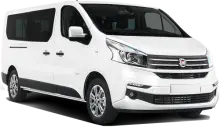


Choose the right car for your trip in Honolulu, United States and book in minutes. Compare trusted rental options, find great daily rates, and secure convenient airport pick-up for your travel dates.
Arriving at Honolulu International Airport and wanting to explore Oahu by car is a great idea. The rental process is generally straightforward, but knowing what to expect regarding pickup locations, costs, and local driving conditions will make your trip smoother. This guide covers everything you need to know to get on the road with confidence.
Rental car desks are typically located within the main terminal building, often in the baggage claim area or a dedicated transportation center. Follow the signs for ‘Rental Cars’ after you collect your luggage. Most companies offer shuttle services to off-airport pickup lots, which is common at larger airports. Expect a short ride – usually no more than 10-15 minutes – to reach the car rental facility. Several well-known companies operate at Honolulu International Airport, including Alamo, Avis, Budget, Dollar, Enterprise, Hertz, National, Payless, Sixt, and Thrifty.
Oahu offers a diverse range of driving experiences, from city streets to winding coastal roads. Here are some popular vehicle types for rent:
| Economy | $40 - $60 / day |
| Compact | $50 - $70 / day |
| Intermediate | $60 - $80 / day |
| Standard | $70 - $90 / day |
| SUV (Small/Mid-Size) | $80 - $120 / day |
| Luxury | $150+ / day |
Prices change by season and availability.
Consider an SUV if you plan on exploring more remote areas or hiking trails. For city driving and easy parking, an economy or compact car is often sufficient.
Be prepared to present a valid driver’s license, a major credit card in your name, and sometimes an additional form of identification like a passport. The minimum age to rent a car in the United States is typically 21, but drivers under 25 may face additional daily fees. A security deposit is usually required, which is held on your credit card and released upon the vehicle’s safe return. Payment methods are generally major credit cards; debit cards may be accepted with restrictions.
Rental companies will offer various insurance products. Collision Damage Waiver (CDW) covers damage to the rental car itself. Theft insurance protects against vehicle theft. Excess insurance reduces the amount you’d pay out-of-pocket in case of damage or theft. Check if your existing auto insurance or credit card provides rental car coverage before purchasing additional insurance at the desk. Don’t hesitate to ask the rental agent to clearly explain the terms and conditions of each insurance option.
Hawaii generally doesn’t have toll roads. Speed limits are typically 55 mph on highways and lower in urban areas. Parking can be limited and expensive in Honolulu, especially in Waikiki. Be mindful of parking regulations to avoid tickets. Traffic can be heavy during peak hours, particularly around Honolulu. Remember to drive on the right side of the road. Enjoy the scenic drives, but always prioritize safe driving practices.
You’ll generally need a valid driver’s license, a major credit card, and sometimes a passport or additional ID.
Most companies require renters to be at least 21, with potential extra fees for those under 25.
Collision Damage Waiver covers damage to the rental vehicle itself.
Check if your existing auto insurance or credit card offers rental car coverage first.
No, Hawaii does not have toll roads.
Yes, parking can be limited and costly, especially in popular tourist areas like Waikiki.
You drive on the right side of the road in Hawaii.
The amount you pay depends on your insurance coverage. CDW or excess insurance can limit your out-of-pocket expenses.
Some companies accept debit cards, but often with restrictions and additional requirements.
They are usually in the main terminal or a nearby off-airport facility, accessible by shuttle.
The deposit amount varies, but it’s usually held on your credit card and refunded when the car is returned undamaged.
Contact the rental company’s customer service line – the number will be on your rental agreement.