Small cars

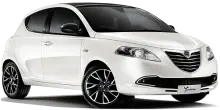
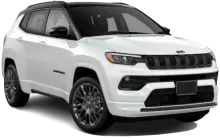
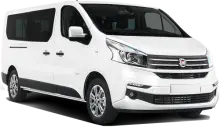


Choose the right car for your trip in Port Lincoln, Australia and book in minutes. Compare trusted rental options, find great daily rates, and secure convenient airport pick-up for your travel dates.
Arriving at Port Lincoln Airport and planning to explore the Eyre Peninsula? Renting a car offers the most flexibility. This guide covers everything from collecting your vehicle and understanding the costs, to a few things to keep in mind while driving in Australia.
Rental car desks are generally located within the main terminal building at Port Lincoln Airport. You’ll likely find representatives from several companies offering services there. After completing the paperwork, you’ll usually be directed to a parking area nearby for vehicle pickup. Take your time during the vehicle inspection; carefully note any existing scratches or damage on the rental agreement before you leave the lot. A quick walk-around with photos on your phone is always a good idea.
Several well-known rental companies typically operate at Port Lincoln Airport, including options for various budgets and needs. You can generally expect to find vehicles from companies offering a range of services. Popular choices include economy cars for solo travelers or couples, compact cars for easy city driving, and SUVs for exploring the more rugged areas of the peninsula. Larger vehicles, including vans and premium models, are also often available.
Here’s a general idea of the car classes you might find and typical daily price ranges (USD). Please remember prices change by season and availability:
| Car Class | Typical Daily Price (USD) |
|---|---|
| Economy | $30 - $50 |
| Compact | $40 - $60 |
| Intermediate | $50 - $70 |
| Standard | $60 - $80 |
| SUV | $80 - $150 |
| Luxury | $150+ |
To rent a car in Australia, you’ll generally need a valid driver’s license held for at least one year. International visitors will also need an International Driving Permit. The minimum age is usually 21, though some companies may have higher age restrictions, especially for certain vehicle classes. A valid credit card in the renter’s name is required for the security deposit, which can vary depending on the vehicle type and insurance options. Debit cards are often not accepted for the deposit.
Rental agreements often include basic Collision Damage Waiver (CDW), but this usually has an excess – the amount you’re responsible for in case of damage. You can reduce this excess by purchasing additional insurance. Theft Protection is also commonly offered. Carefully review the terms of each insurance option and ask the rental agent to explain what is and isn’t covered. It’s worth understanding your existing travel insurance policy, as it may offer some coverage for car rentals.
Australia drives on the left side of the road. Speed limits are generally posted in kilometers per hour. Outside of major cities, distances can be significant, so plan your routes accordingly. Parking regulations vary by location; pay attention to signage. Toll roads are present in some areas, and payment methods vary – some accept cash, while others require electronic toll passes. Be mindful of wildlife, especially in rural areas, and avoid driving at dawn or dusk when animals are more active.
If your driver’s license isn’t in English, you’ll likely need an International Driving Permit alongside your original license.
A major credit card in the renter’s name is usually required for the security deposit and rental fee.
Most rentals include CDW, but with an excess. You can reduce the excess with additional insurance.
Yes, but there’s usually an extra daily fee for each additional driver.
Basic insurance is often included, but it’s important to understand the coverage and excess amounts.
In Australia, you drive on the left side of the road.
Yes, some areas have toll roads. Payment methods vary, so check before you travel.
Rental cars come with a spare tire and tools. If you’re unsure how to change it, contact the rental company for assistance.
Generally, the minimum age is 21, but this can vary by rental company and vehicle type.
Check the rental agreement. Driving on unsealed roads may be restricted or require specific insurance.
Late returns usually incur extra charges, often calculated per hour or day.
Rental desks are typically located inside the main terminal building, clearly signposted.