Small cars

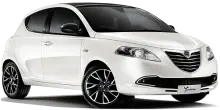
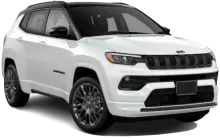
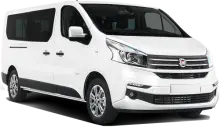
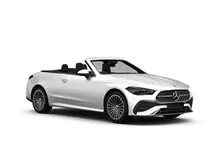

Choose the right car for your trip in Griffith, Australia and book in minutes. Compare trusted rental options, find great daily rates, and secure convenient airport pick-up for your travel dates.
Arriving at Griffith Airport and planning to explore the Riverina region? Renting a car offers the most flexibility. This guide covers everything from collecting your vehicle and understanding the costs, to a few things to keep in mind while driving in Australia.
Rental car desks are generally located within the main terminal building at Griffith Airport. You’ll likely find representatives from several companies offering services there. Common rental companies operating at Griffith Airport include well-known providers. Upon arrival, follow the signs for ‘Car Rental’ or ‘Ground Transportation’ to locate the desks. Pickup procedures usually involve completing paperwork, inspecting the vehicle, and receiving the keys.
Griffith and the surrounding areas are best explored with a vehicle suited to your needs. Here are some popular choices:
| Economy | $30 - $50 / day |
| Compact | $40 - $60 / day |
| Intermediate | $50 - $70 / day |
| Standard | $60 - $80 / day |
| SUV | $80 - $120 / day |
| Luxury | $120+ / day |
Prices change by season and availability.
For exploring the vineyards and rural areas, an SUV or a standard vehicle provides good ground clearance and comfort. If you’re primarily sticking to town, an economy or compact car will be perfectly adequate.
To rent a car in Australia, you’ll generally need a valid driver’s license held for at least one year. The minimum age is typically 21, though some companies may have higher age restrictions, and young driver surcharges may apply. You’ll also need a valid credit card in the renter’s name for the deposit and payment. Debit cards are often not accepted. Be prepared to present your driver’s license, and potentially an international driving permit if your license isn’t in English. Deposits are usually held as a security, and the amount varies depending on the vehicle type.
Rental companies will offer various insurance options. Collision Damage Waiver (CDW) covers damage to the rental vehicle, while Theft Protection covers theft. Often, these come with an ‘excess’ – the amount you’re still liable for in the event of a claim. You can reduce the excess by purchasing additional insurance, but this adds to the cost. Carefully consider your existing car insurance coverage and whether it extends to rentals in Australia. Don’t hesitate to ask the rental agent to clearly explain the terms of each insurance option.
Australia drives on the left side of the road. Speed limits are generally indicated in kilometers per hour. Outside of major cities, distances can be significant, so plan your journeys accordingly. Parking regulations vary between towns and cities; pay attention to signage. Toll roads exist in some areas, and payment methods vary – some accept cash, others require an electronic tag or online payment. Familiarize yourself with local road rules before you set off.
You’ll need a valid driver’s license, a credit card in your name, and potentially an international driving permit if your license isn’t in English.
It depends on your license. If your license isn’t in English, an international driving permit is usually required.
Generally, the minimum age is 21, but some companies may require you to be older.
The deposit acts as a security hold for potential damage or excess mileage.
Excess is the amount you’re still responsible for paying if the car is damaged or stolen.
Most rental companies require a credit card for the deposit and payment.
Toll roads exist in some areas. Check if your rental car has an electronic tag or if you need to pay online.
Australians drive on the left side of the road.
Speed limits are indicated in kilometers per hour.
Report the damage to the rental company immediately and follow their instructions.
Yes, but you’ll likely need to pay an additional fee and the extra driver must meet the rental requirements.
You may be charged an additional day’s rental fee.