Small cars
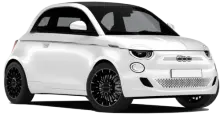
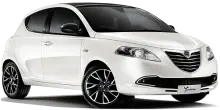
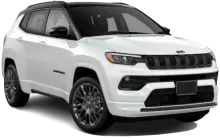
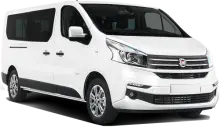
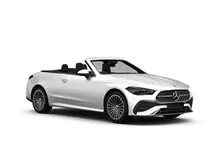
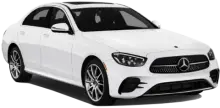
Choose the right car for your trip in Mount Gambier, Australia and book in minutes. Compare trusted rental options, find great daily rates, and secure convenient airport pick-up for your travel dates.
Arriving at Mount Gambier Airport and planning to explore the Limestone Coast? Renting a car offers the most flexibility. This guide covers everything from collecting your vehicle and understanding the costs, to a few things to keep in mind while driving in Australia.
Rental car desks are generally located within the main terminal building at Mount Gambier Airport. You’ll likely find representatives from several companies offering services there. Common rental companies operating at Mount Gambier Airport include major providers, as well as some regional options. Expect a short walk from baggage claim to the rental counters.
The best vehicle for you depends on your travel plans. Here are ten popular choices for visitors to the Mount Gambier region:
| Economy | $30 - $50/day |
| Compact | $40 - $60/day |
| Intermediate | $50 - $70/day |
| Standard | $60 - $80/day |
| SUV (Small) | $70 - $100/day |
| SUV (Medium) | $80 - $120/day |
| Minivan | $100 - $150/day |
| Luxury | $120+/day |
| Convertible | $90+/day |
| 4WD | $100+/day |
Prices change by season and availability.
To rent a car in Australia, you’ll generally need a valid driver’s license held for at least one year. International visitors will also need an International Driving Permit. The minimum age is usually 21, though some companies may have higher age restrictions, especially for certain vehicle types. Be prepared to present your license, passport, and a valid credit card in the driver’s name. Rental companies will typically require a security deposit, which is held on your credit card and released upon the vehicle’s safe return. Payment by debit card is often restricted.
Rental agreements come with insurance options, which can be a little confusing. Collision Damage Waiver (CDW) covers damage to the rental car itself. Theft Protection covers loss or damage due to theft. Often, these come with an ‘excess’ – the amount you’re responsible for paying if an incident occurs. You can reduce this excess by purchasing additional insurance at the rental desk, but consider whether your existing travel insurance or credit card benefits already provide coverage. Don’t hesitate to ask the rental agent to clearly explain the terms of each insurance option.
Australia has a few driving differences to be aware of. We drive on the left side of the road. Speed limits are generally indicated in kilometers per hour. While Mount Gambier itself doesn’t have toll roads, some major highways in other parts of Australia do. Parking regulations vary by location; pay attention to signage. It’s also a good idea to familiarize yourself with Australian road rules before you set off, as they may differ from what you’re used to.
If your driver’s license isn’t in English, you’ll likely need an International Driving Permit alongside your original license.
Most rental companies require a major credit card in the driver’s name for both payment and the security deposit.
Check your insurance coverage. CDW covers damage, but usually has an excess amount you’re responsible for.
Yes, but you’ll need to declare them at the rental desk and there may be an additional fee.
Carefully inspect the car for any existing damage and document it with photos or on the rental agreement.
Mount Gambier itself doesn’t have toll roads, but you may encounter them on some highways elsewhere in Australia.
Australians drive on the left side of the road.
Late returns usually incur extra charges, often billed at a full day’s rate.
GPS units are often available as an add-on, or you can use a smartphone navigation app.
The excess is the amount you pay towards any damage before your insurance coverage kicks in.
Generally, yes, but you should inform the rental company of your travel plans.
Rental cars come with a spare tire and tools. The rental company should provide instructions or roadside assistance contact details.