Small cars

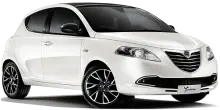
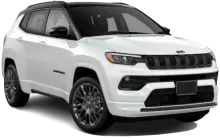
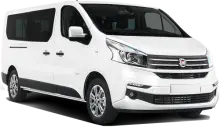


Choose the right car for your trip in Ibiza, Spain and book in minutes. Compare trusted rental options, find great daily rates, and secure convenient airport pick-up for your travel dates.
Arriving at Ibiza Airport and wanting to explore the island by car is a great idea. This guide will walk you through the rental process, from finding your car to understanding the roads. We’ll cover what to expect with paperwork, potential costs, and a few things to keep in mind while driving in Spain.
Rental desks are generally located within the arrivals hall of Ibiza Airport. Follow the signs for ‘Car Rental’ or ‘Rental Cars’ after you collect your luggage. Most companies offer a shuttle service to the parking areas where the cars are kept, though some have desks right next to the vehicle pickup locations. Expect a short transfer time, especially during peak season. Common rental companies operating at Ibiza Airport include well-known international and local providers.
Ibiza’s roads range from coastal highways to narrow village streets, so choosing the right car is important. Here are some popular options:
| Economy (e.g., Fiat 500) | $30 - $50 / day |
| Compact (e.g., VW Golf) | $40 - $60 / day |
| Intermediate (e.g., Ford Focus) | $50 - $70 / day |
| SUV (e.g., Nissan Qashqai) | $70 - $100 / day |
| Convertible (e.g., Fiat 124 Spider) | $80 - $150 / day |
| Luxury (e.g., BMW 3 Series) | $120 - $200+ / day |
Prices change by season and availability.
Generally, you’ll need a valid driver’s license held for at least one year. For many rentals, a passport is also required. The minimum age is usually 21, but drivers under 25 may face additional fees. Be prepared to provide a credit card in the driver’s name for the deposit. Debit cards are sometimes accepted, but often with restrictions or the need for additional insurance. The deposit amount varies depending on the car type, but can range from $200 to $1000 or more. Payment is typically in USD, but confirm the exchange rate with the rental company.
Rental companies will offer various insurance options. Collision Damage Waiver (CDW) covers damage to the rental car itself. Theft Protection covers the vehicle if it’s stolen. Often, these come with an ‘excess’ – the amount you’re still responsible for in case of damage or theft. You can reduce this excess by purchasing additional insurance, but it adds to the cost. Check if your credit card or existing car insurance provides coverage in Spain, as this could save you money. Don’t hesitate to ask the rental agent to clearly explain the terms of each insurance option.
Spain has a network of toll roads, particularly on the mainland. Be prepared to pay tolls, either with cash or a credit card. Parking in towns and cities can be challenging, especially during peak season. Look for blue or green parking zones, which usually require payment. White lines indicate free parking, but always check for local restrictions. Speed limits are generally 120 km/h (75 mph) on highways, 90 km/h (56 mph) on conventional roads, and 50 km/h (31 mph) in urban areas. Remember to drive on the right side of the road.
For most visitors, a standard driver’s license is sufficient, but check the specific requirements based on your country of origin.
If you have CDW, the rental company will cover the damage, but you may still be responsible for the excess amount.
Yes, but you’ll usually need to pay an additional daily fee and the extra driver must be listed on the rental agreement.
Credit cards are the most commonly accepted form of payment, especially for the deposit. Debit card acceptance varies.
You can usually rent a GPS device from the rental company, or use a smartphone navigation app.
In Spain, you drive on the right side of the road.
Yes, child seats are available, but it’s best to reserve them in advance.
Rental companies usually provide a 24-hour emergency contact number.
Most rentals offer a ‘full to full’ fuel policy – return the car with a full tank.
Yes, especially on highways. Be prepared to pay with cash or a credit card.
Generally, taking a rental car off Ibiza requires prior authorization from the rental company and may incur extra fees.