Small cars


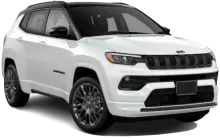



Choose the right car for your trip in Los Angeles, United States and book in minutes. Compare trusted rental options, find great daily rates, and secure convenient airport pick-up for your travel dates.
Picking up a rental car is a convenient way to explore Los Angeles and the surrounding areas after arriving at Bob Hope Airport. The process usually involves a bit of paperwork, understanding the costs involved, and familiarizing yourself with local driving conditions. This guide will help you navigate car rental at BUR, from choosing the right vehicle to hitting the road with confidence.
Rental car desks are generally located within the airport terminal, often accessible from the baggage claim area. Many companies offer shuttle services to off-airport facilities, which is common at larger airports. Expect a short ride if your rental isn’t directly inside the terminal. Several well-known companies typically operate at Bob Hope Airport, including Alamo, Avis, Budget, Enterprise, Hertz, National, and Thrifty. It’s always a good idea to compare rates and vehicle options from multiple providers.
The best car for your trip depends on your needs. Here are ten popular choices you’ll likely find available at BUR:
| Economy | $30 - $50/day |
| Compact | $35 - $60/day |
| Intermediate | $40 - $70/day |
| Standard | $45 - $80/day |
| SUV (Small) | $50 - $90/day |
| SUV (Mid-Size) | $60 - $110/day |
| Convertible | $70 - $150/day |
| Luxury | $80 - $200+/day |
| Minivan | $70 - $130/day |
| Full-Size | $50 - $90/day |
Prices change by season and availability.
To rent a car in the United States, you’ll generally need a valid driver’s license, a credit card in the driver’s name, and a passport if you’re an international traveler. Most rental companies require renters to be at least 21 years old, though fees may apply for drivers under 25. A security deposit is typically held on your credit card to cover potential damages or extra mileage. The amount varies, but it’s often several hundred dollars. Payment methods are usually major credit cards; debit cards may be accepted with restrictions.
Rental companies will offer various insurance products. Collision Damage Waiver (CDW) covers damage to the rental car itself. Theft insurance protects against vehicle theft. Excess insurance reduces the amount you’d pay out-of-pocket for damage or theft. Check if your personal auto insurance or credit card provides rental car coverage before purchasing additional insurance at the rental counter. Don’t hesitate to ask the agent to clearly explain the terms and conditions of each option.
Los Angeles is a sprawling city, so be prepared for some driving. Speed limits are generally posted in miles per hour. Highway speeds are typically 65-70 mph. Some areas have toll roads, though they are less common in the immediate Los Angeles area. Parking can be challenging and expensive, especially in popular tourist destinations. Be aware of traffic congestion, particularly during peak hours. Familiarize yourself with California’s traffic laws before you start your journey.
Most companies require renters to be at least 21, but a young renter fee often applies for those under 25.
A valid driver’s license, a credit card, and a passport (if you’re not a US resident) are usually required.
Major credit cards are almost always accepted. Debit cards may have restrictions.
Collision Damage Waiver covers damage to the rental vehicle itself.
Check your personal auto insurance and credit card benefits first to see if they provide coverage.
Toll roads exist, but are not widespread within the city itself.
Parking can be difficult and expensive, especially in popular areas.
Rental cars come with a spare tire and tools. If you’re uncomfortable changing it yourself, contact the rental company’s roadside assistance.
Late returns usually incur extra charges, often billed at your daily rental rate.
A deposit is held on your credit card to cover potential damages. It’s released when you return the car undamaged.
Yes, but there’s usually a daily fee for each additional driver.
Report any damage to the rental company immediately and follow their instructions.