Small cars


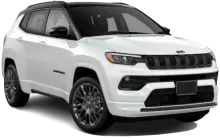



Choose the right car for your trip in El Paso, United States and book in minutes. Compare trusted rental options, find great daily rates, and secure convenient airport pick-up for your travel dates.
Arriving at El Paso International Airport and planning to explore the region by car? Renting a vehicle offers fantastic freedom, but the process can sometimes feel a little overwhelming. This guide will walk you through what to expect when picking up your rental, understanding the costs, and navigating the roads around El Paso.
Rental car desks are generally located within the main terminal building, often near the baggage claim areas. You’ll typically find a variety of companies operating at El Paso International Airport, including well-known names. After completing the paperwork, you’ll usually be directed to a parking garage or a designated lot for vehicle pickup. Allow extra time for this transfer, especially if you have a lot of luggage.
The best car for you depends on your travel plans. Here are some popular options you’ll likely find available:
| Economy | $30 - $50 / day |
| Compact | $35 - $60 / day |
| Intermediate | $40 - $70 / day |
| Standard | $45 - $80 / day |
| SUV (Small/Mid-Size) | $50 - $100 / day |
| Luxury | $80 - $150+ / day |
Prices change by season and availability.
For exploring the city, an economy or compact car is often sufficient. If you plan on venturing into more rugged terrain or need space for passengers and luggage, an SUV is a good choice. And, of course, if you’re looking for a more comfortable experience, a luxury vehicle might be ideal.
To rent a car in the United States, you’ll generally need a valid driver’s license, a credit card in your name, and be at least 21 years old (though some companies may have a higher age requirement and charge a young driver fee). A deposit will be held on your credit card to cover potential costs like fuel or damage. Payment methods are typically major credit cards; debit cards may be accepted with restrictions. Be sure to understand the rental agreement’s terms regarding fuel policies – returning the car with a different fuel level than when you picked it up can result in extra charges.
Rental companies will offer various insurance options. Collision Damage Waiver (CDW) covers damage to the rental car itself. Theft insurance protects you if the vehicle is stolen. Excess insurance reduces the amount you’d have to pay out-of-pocket in case of damage or theft. Check if your existing auto insurance or credit card provides coverage before purchasing additional insurance at the rental desk. Don’t hesitate to ask the agent to explain the details of each option clearly.
Driving in the United States generally requires you to drive on the right side of the road. Speed limits are posted in miles per hour. Parking regulations vary depending on the location; pay attention to signs. Some areas may have toll roads, so it’s a good idea to have some cash or a compatible electronic toll payment system available. Familiarize yourself with local traffic laws and be aware of your surroundings.
You’ll typically need a valid driver’s license, a credit card in your name, and meet the minimum age requirement (usually 21).
Check your rental agreement and insurance coverage. CDW covers damage to the car, but you may still have an excess to pay.
Some companies accept debit cards, but often with restrictions and additional requirements.
Renters under 25 may be charged an additional daily fee.
Collision Damage Waiver covers damage to the rental vehicle itself, but usually doesn't cover tires, windows, or undercarriage.
Generally, no, if your license is in English. However, it’s always best to check the specific rental company’s policy.
Some roads may have tolls. Have cash or a compatible electronic toll payment method available.
Understand the fuel policy before you leave. Returning the car with the wrong fuel level can be expensive.
Not necessarily. A standard car is fine for city driving, but an SUV is helpful for off-road adventures.
They are usually inside the main terminal, near baggage claim.
Contact the rental company as soon as possible to inform them of the delay.
Parking availability varies. Downtown areas can be busy, so plan accordingly.