Small cars



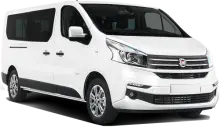


Choose the right car for your trip in Vishakhapatnam, India and book in minutes. Compare trusted rental options, find great daily rates, and secure convenient airport pick-up for your travel dates.
Arriving at Vishakhapatnam Airport and planning to explore the region by car? Renting a vehicle offers flexibility, but it’s good to know what to expect with the pickup process, potential costs, and the specifics of driving in India. This guide covers everything from finding your rental desk to understanding insurance options and navigating local roads.
Rental car desks at Vishakhapatnam Airport are generally located within the main terminal building, usually near the arrivals hall. Follow the signs for ‘Car Rental’ or ‘Ground Transportation’ – they are typically quite visible. Most companies offer both desk service and, increasingly, options for a quicker ‘express’ pickup. Some companies operate shuttle services to off-airport facilities where the cars are parked, so be prepared for a short transfer if necessary. Several well-known companies typically operate at the airport, including options from international providers and local Indian agencies.
The best car for you depends on your travel plans. For city driving and fuel efficiency, an economy or compact car is a good choice. If you’re planning to explore more rural areas or travel with a group, an SUV offers more space and comfort. Here’s a general idea of what’s commonly available:
| Car Class | Approximate Daily Price (USD) |
|---|---|
| Economy | $15 - $25 |
| Compact | $20 - $30 |
| Intermediate | $30 - $40 |
| SUV | $45 - $70 |
| Luxury | $80+ |
Please note: prices change by season and availability.
To rent a car in India, you’ll generally need a valid driver’s license (international permits are often required for foreign visitors), a passport, and a credit card in the primary driver’s name. The minimum age is usually 21, but some companies may have higher age restrictions, especially for certain vehicle classes. Expect a security deposit, which is typically held on your credit card and released upon the car’s safe return. Payment methods are usually credit and debit cards, but confirm accepted methods with the specific rental company.
Rental companies will offer various insurance options. Collision Damage Waiver (CDW) covers damage to the rental car itself. Theft Protection covers loss or damage due to theft. ‘Excess’ refers to the amount you’re still responsible for paying in the event of damage or theft, even with CDW or Theft Protection. Consider whether your existing travel insurance or credit card benefits already provide coverage, and carefully review the terms of any additional insurance offered at the desk. Don’t hesitate to ask questions about what each option covers and the amount of the excess.
Driving in India can be quite different from what you’re used to. Roads can be busy, and traffic rules aren’t always strictly followed. Be prepared for a lot of honking – it’s often used as a friendly warning rather than an expression of anger. Toll roads are common, so keep some small change handy. Parking can be challenging in city centers. Speed limits are generally lower than in many Western countries, but they may not always be clearly marked. Defensive driving is key, and it’s best to avoid driving at night if possible.
Generally, yes. While a license from your home country may be accepted, an International Driving Permit is often required for visitors.
Most companies accept major credit and debit cards. Check with your chosen provider for specifics.
Typically 21, but some companies may have higher age restrictions for certain car classes.
Collision Damage Waiver covers damage to the rental vehicle itself. It doesn't cover everything, so read the terms carefully.
Basic insurance is rarely included. You'll usually be offered additional insurance options at the rental desk.
Rental cars should have a spare tire and tools. If you're uncomfortable changing it yourself, contact the rental company for assistance.
Yes, but they are less common and often more expensive than manual transmission vehicles.
Toll roads are common. Keep some small change handy, or check if electronic toll payment options are available.
Parking can be challenging, especially in the city center. Be prepared to search for available spaces.
Carefully check the car for any existing damage and document it with photos or on the rental agreement to avoid being charged later.
The 'excess' is the amount you're still responsible for paying if the car is damaged or stolen, even with insurance.
Yes, but you'll usually need to pay an extra fee and the additional driver must meet the same requirements as the primary driver.