Small cars

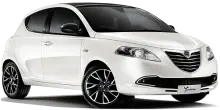
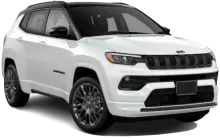
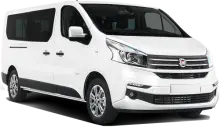


Choose the right car for your trip in Chania, Greece and book in minutes. Compare trusted rental options, find great daily rates, and secure convenient airport pick-up for your travel dates.
Arriving at Chania International Airport and planning to explore Crete? Renting a car offers the most freedom, but the pickup process, insurance options, and local driving conditions can feel a little daunting. This guide will walk you through what to expect when renting a car at CHQ, from finding the rental desks to navigating the beautiful Cretan roads.
Rental car desks are generally located within the main arrivals area of the airport. You’ll likely find a range of companies offering services at Chania International Airport. Common rental companies operating here include well-known international providers. Follow the signs for ‘Car Rental’ after you collect your luggage; the desks are usually grouped together for convenience. Some companies also offer shuttle services to off-airport pickup locations, but most have desks directly within the terminal.
Crete’s roads vary from smooth highways to narrow mountain passes, so choosing the right car is important. Here are some popular options:
| Car Class | Typical Daily Price (USD) |
|---|---|
| Economy (e.g., Fiat 500) | $25 - $40 |
| Compact (e.g., VW Golf) | $35 - $55 |
| Intermediate (e.g., Toyota Corolla) | $45 - $65 |
| SUV (e.g., Nissan Qashqai) | $60 - $90 |
| Luxury (e.g., Mercedes C-Class) | $100+ |
Prices change by season and availability.
For exploring the mountains, a small SUV is a good choice. If you plan to stick to the main roads, an economy or compact car will be perfectly adequate. For comfort and space, an intermediate or larger vehicle might be preferable.
Generally, you’ll need a valid driver’s license held for at least one year. For most renters, a standard driver’s license is sufficient, but if your license isn’t in English, an International Driving Permit is recommended. The minimum age to rent a car is typically 21, though drivers under 25 may face additional fees. You’ll also need a valid passport and a major credit card in the driver’s name to place a deposit. Debit cards are often not accepted for the deposit. Be prepared for a security deposit, which can range from a few hundred to over a thousand dollars, depending on the car class and insurance chosen. This is usually refunded when you return the car in good condition.
Rental companies will offer various insurance options. Collision Damage Waiver (CDW) covers damage to the rental car itself. Theft Protection covers the vehicle if it’s stolen. Often, there’s an ‘excess’ – the amount you’re still responsible for paying in the event of damage or theft. You can reduce this excess by purchasing additional insurance, but this will increase the daily rental cost. Carefully consider whether your existing travel insurance or credit card benefits already provide coverage. Don’t hesitate to ask the rental agent to clearly explain the terms of each insurance option before you agree.
Driving in Crete is generally straightforward, but there are a few things to keep in mind. Many roads are well-maintained, but some rural routes can be narrow and winding. Toll roads are common, and you’ll typically pay with cash at the toll booths. Parking in towns and cities can be challenging, especially during peak season. Be aware of speed limits, which are generally posted in kilometers per hour. Defensive driving is always a good idea, and be prepared for local driving styles that may differ from what you’re used to.
Follow the signs for ‘Car Rental’ after collecting your luggage. The desks are usually located within the main arrivals area.
If your driver’s license isn’t in English, an International Driving Permit is recommended.
A major credit card in the driver’s name is usually required for the deposit. Debit cards are often not accepted.
Collision Damage Waiver (CDW) covers damage to the rental car itself.
The ‘excess’ is the amount you’re still responsible for paying in the event of damage or theft, even with CDW.
Yes, toll roads are common. You typically pay with cash at the toll booths.
Parking can be challenging, especially during peak season. Allow extra time to find a spot.
They drive on the right side of the road in Greece.
Yes, but you’ll likely need to pay an additional daily fee and the extra driver must meet the rental requirements.
Carefully inspect the car for any damage *before* leaving the rental lot and document it with photos or video. Report it to the rental company immediately.
You will likely be charged an additional day’s rental fee, or a pro-rated fee for the extra time.