Small cars

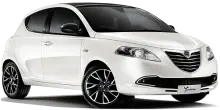
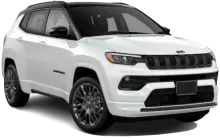
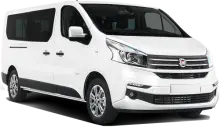


Choose the right car for your trip in Athens, Greece and book in minutes. Compare trusted rental options, find great daily rates, and secure convenient airport pick-up for your travel dates.
Picking up a rental car at Eleftherios Venizelos International Airport is a convenient way to start your Greek adventure. The process generally involves a bit of paperwork, understanding the costs involved, and familiarizing yourself with local driving conditions. This guide will walk you through what to expect, from the rental desks to navigating the roads around Athens.
Rental car desks are typically located within the arrivals area of the main terminal building. Follow the signs for ‘Car Rental’ after you collect your luggage. Most companies offer a shuttle service to the actual car pickup areas, which are usually a short drive from the terminal. Several well-known companies operate at the airport, including Avis, Budget, Enterprise, Hertz, Sixt, and Europcar, among others. You’ll find a range of options to suit different needs and budgets.
Choosing the right car depends on your travel plans. For exploring Athens itself, an economy or compact car is often ideal due to easier parking. If you plan on venturing into the mountains or traveling with family, an SUV might be a better fit. Here are some popular choices:
| Economy | $25 - $40 / day |
| Compact | $30 - $50 / day |
| Intermediate | $40 - $60 / day |
| Standard | $50 - $70 / day |
| SUV | $60 - $100+ / day |
| Luxury | $100+ / day |
Prices change by season and availability.
To rent a car in Greece, you’ll generally need a valid driver’s license (held for at least one year), a passport, and a credit card in the primary driver’s name. The minimum age is usually 21, but some companies may have higher age restrictions, especially for certain car categories. A deposit is typically required, held on your credit card to cover potential damages or extra charges. Be sure to understand the deposit amount and the process for its return. Payment is almost always by credit card; debit cards are rarely accepted.
Rental companies will offer various insurance options. Collision Damage Waiver (CDW) covers damage to the rental car itself. Theft Protection covers the vehicle if it’s stolen. Often, there’s an ‘excess’ – the amount you’re still responsible for in case of damage or theft. You can reduce this excess by purchasing additional insurance, but it adds to the cost. Carefully review what your existing travel insurance or credit card benefits already cover before accepting additional insurance at the rental desk. Don’t hesitate to ask the agent to clearly explain the terms of each insurance option.
Driving in Greece is generally straightforward, but there are a few things to keep in mind. Toll roads are common, especially on motorways. Have some cash handy, as not all toll booths accept credit cards. Parking in Athens can be challenging, particularly in the city center. Look for designated parking areas and be aware of parking restrictions. Speed limits are generally 130 km/h on motorways, 90 km/h on rural roads, and 50 km/h in urban areas. Be prepared for winding roads if you’re exploring mountainous regions.
For most visitors, a valid driver’s license from your home country is sufficient, especially if it’s in English. However, it’s always best to check the specific requirements based on your nationality.
Report any damage immediately to the rental company. You’ll likely need to complete an accident report form. Your insurance coverage (CDW) will determine your financial responsibility.
Yes, but you’ll need to declare the additional driver at the rental desk and they’ll need to meet the same requirements as the primary driver. There may be an extra charge.
Almost all rental companies require a credit card in the primary driver’s name for the deposit and rental fee. Debit cards are rarely accepted.
Late returns usually incur extra charges, often calculated per hour or day. Check your rental agreement for the specific late return policy.
Yes, but they are less common and often more expensive than manual transmissions. It’s best to reserve an automatic car in advance.
GPS navigation is usually available as an add-on, for an extra daily fee. Many travelers prefer to use smartphone navigation apps instead.
Child seats can be rented with the car, usually for an additional daily fee. It’s recommended to reserve them in advance to ensure availability.
Many roads have toll booths. You can pay with cash or, increasingly, with a credit card. Some newer roads use electronic tolling systems.
Parking in central Athens can be very difficult. Look for designated parking garages or blue parking zones (paid parking).
In Greece, they drive on the right side of the road, just like in most of Europe and North America.
Generally, you can, but you *must* inform the rental company in advance. Ferry costs and restrictions may apply.