Small cars


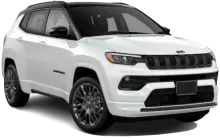
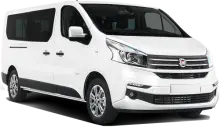


Choose the right car for your trip in Kasos Island, Greece and book in minutes. Compare trusted rental options, find great daily rates, and secure convenient airport pick-up for your travel dates.
Arriving at Kasos Island Airport and planning to explore? Renting a car offers the most freedom to discover this beautiful Greek island. This guide covers everything from picking up your vehicle and understanding the costs, to navigating the local roads.
Rental car desks are generally located within the arrivals hall at Kasos Island Airport. You’ll likely find representatives from several companies offering services. While the selection might be smaller than at larger international hubs, you can typically expect to see options from well-known providers. Follow the signs for ‘Car Rental’ or ‘Ground Transportation’ upon exiting the baggage claim area.
Kasos Island’s roads are well-suited to a variety of vehicles, but consider your planned itinerary. For exploring the villages and coastal roads, a smaller car is often ideal. If you intend to venture onto more rugged terrain, or simply prefer extra space, an SUV might be a better fit. Here’s a general idea of what’s commonly available:
| Car Class | Typical Daily Price (USD) |
|---|---|
| Economy | $30 - $50 |
| Compact | $40 - $60 |
| Intermediate | $50 - $70 |
| Standard | $60 - $80 |
| SUV | $80 - $120 |
| Luxury | $150+ |
Please note: prices change by season and availability.
To rent a car in Greece, you’ll generally need a valid driver’s license held for at least one year. For visitors from outside the European Union, an International Driving Permit (IDP) is often required alongside your home country license. The minimum age is usually 21, though some companies may have a higher age requirement, and drivers under 25 may face an additional fee.
Be prepared to present a valid passport and a major credit card in the driver’s name. Debit cards are sometimes accepted, but often with restrictions. A security deposit will be held on your card to cover potential damages; the amount varies depending on the car class and insurance chosen.
Rental companies will offer various insurance options. Collision Damage Waiver (CDW) typically covers damage to the rental vehicle itself, while Theft Protection covers loss or damage due to theft. Pay attention to the ‘excess’ – this is the amount you’d still be responsible for in the event of a claim. You can often reduce the excess by purchasing additional insurance, but carefully consider if the cost is worthwhile. Check if your existing credit card or travel insurance provides any coverage before accepting additional options at the rental desk. Don’t hesitate to ask the agent to clearly explain the terms of each insurance product.
Driving in Greece is generally straightforward. Roads are well-maintained, but can be narrow and winding, especially in mountainous areas. Speed limits are typically 80 km/h on highways, 90 km/h on main roads, and 50 km/h in towns. Toll roads are common, particularly on major highways; have some cash handy, though many now accept card payments. Parking can be challenging in towns and popular tourist areas, so be patient and look for designated parking zones. Be aware of local driving habits, which can sometimes be more assertive than you’re used to.
If your driver’s license isn’t from the European Union, an IDP is usually required alongside your home country license.
Major credit cards are generally required. Debit cards may be accepted with restrictions.
Typically 21, but some companies require renters to be older, and under-25s may pay a surcharge.
Collision Damage Waiver covers damage to the rental vehicle itself.
It’s the amount you’re still responsible for if there’s damage or theft, even with insurance.
Yes, especially on highways. Have some cash or a card ready.
Parking can be difficult in towns and tourist areas. Be patient and look for designated zones.
They drive on the right side of the road in Greece.
Yes, but you’ll usually need to pay an additional daily fee.
Report the damage to the rental company immediately and follow their instructions.
A GPS or smartphone with maps is helpful, especially for exploring remote areas.
Ensure everyone is safe, then contact the police and your rental company.