Small cars

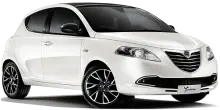
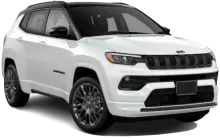
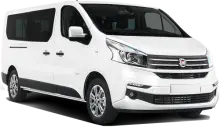


Choose the right car for your trip in Heraklion, Greece and book in minutes. Compare trusted rental options, find great daily rates, and secure convenient airport pick-up for your travel dates.
Arriving at Heraklion Airport and planning to explore Crete by car? You’ve made a great choice. This guide covers everything from collecting your vehicle and understanding the paperwork, to potential costs and what to expect on the roads. We’ll help you navigate the rental process and feel confident behind the wheel.
Rental car desks are generally located within the arrivals hall at Heraklion Airport. Follow the signs for ‘Car Rental’ after you collect your luggage. Most companies offer a shuttle service to their off-airport parking and vehicle collection areas, which is common in busy airports. You’ll likely find familiar names like Avis, Budget, Enterprise, Hertz, Sixt, and Europcar represented here, alongside several local Greek companies.
Crete’s roads vary from smooth highways to narrower mountain routes, so your car choice matters. Here are some popular options:
Economy cars are ideal for solo travelers or couples sticking to main roads. Compact cars offer a bit more space for luggage. If you plan on exploring inland or tackling hilly terrain, a small SUV is a good choice. For families, a larger SUV or minivan provides comfort and room. Those seeking a more luxurious experience will find premium sedans and convertibles available. Don’t forget to consider an automatic transmission if you’re not comfortable with a manual.
| Car Class | Typical Daily Price (USD) |
|---|---|
| Economy | $25 - $40 |
| Compact | $35 - $55 |
| Intermediate | $45 - $65 |
| SUV (Small) | $60 - $90 |
| Luxury | $100+ |
Prices change by season and availability.
Generally, you’ll need a valid driver’s license held for at least one year. For most renters, a US, Canadian, or EU license is sufficient. If your license is not in English, an International Driving Permit (IDP) is recommended. The minimum age to rent a car is typically 21, but drivers under 25 may face additional fees. You’ll also need a valid passport and a credit card in the primary driver’s name. Debit cards are sometimes accepted, but often with restrictions. Expect a security deposit, which is usually held on your credit card and released upon the vehicle’s safe return. The amount varies depending on the car class and insurance chosen.
Rental companies will offer various insurance options. Collision Damage Waiver (CDW) covers damage to the rental car itself. Theft Protection covers loss or damage due to theft. Often, these come with an ‘excess’ – the amount you’re still responsible for in case of damage or theft. You can reduce this excess by purchasing additional insurance, but it adds to the cost. Check if your credit card or existing car insurance provides coverage in Greece, as this could save you money. Don’t hesitate to ask the rental agent to clearly explain the terms of each insurance option.
Driving in Crete is generally straightforward, but be aware of a few things. Toll roads are common, and most accept cash. Parking in towns and cities can be challenging, especially during peak season. Look for designated parking areas and be mindful of local parking regulations. Speed limits are typically 50 km/h in towns, 90 km/h on rural roads, and 130 km/h on motorways. Roads in mountainous areas can be winding and narrow, so drive cautiously. Be prepared for occasional livestock on the roads in rural areas.
If your driver’s license isn’t in English, an IDP is recommended. Otherwise, a standard US, Canadian, or EU license is usually sufficient.
Most rental companies require a credit card in the primary driver’s name. Debit cards may be accepted with restrictions.
Typically 21, but drivers under 25 may pay an additional fee.
Collision Damage Waiver covers damage to the rental car itself, but often has an 'excess' you're still responsible for.
Yes, toll roads are common and usually accept cash.
Parking can be challenging, especially during peak season. Look for designated parking areas.
They drive on the right side of the road in Greece.
Report the damage to the rental company immediately and follow their instructions.
Yes, but you’ll likely need to pay an additional fee and the extra driver must meet the rental requirements.
The 'excess' is the amount you're still responsible for paying in case of damage or theft, even with insurance.
If you aren't comfortable driving a manual transmission, an automatic is a good idea, especially on hilly roads.
You will likely be charged an additional day’s rental fee.