Small cars

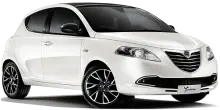
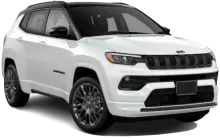
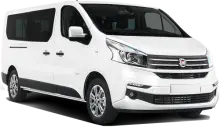


Choose the right car for your trip in Thira, Greece and book in minutes. Compare trusted rental options, find great daily rates, and secure convenient airport pick-up for your travel dates.
Arriving at Santorini International Airport and planning to explore the island by car is a great idea. This guide will walk you through the rental process, from finding your car to understanding the roads. We’ll cover what to expect with paperwork, typical costs, and a few things to keep in mind while driving in Greece.
Rental desks are generally located within the main arrivals area of the airport. You’ll likely find representatives from several companies just outside baggage claim. Follow the signs for ‘Car Rental’ or ‘Ground Transportation’ if you’re unsure. Expect a bit of a walk, as the desks aren’t always immediately visible upon exiting the terminal. Common companies operating at Santorini Airport include well-known international providers and several local Greek agencies.
Santorini’s roads can be winding and sometimes steep, so consider your itinerary when choosing a vehicle. Here are some popular options:
| Economy | $30 - $50/day |
| Compact | $40 - $60/day |
| Intermediate | $50 - $70/day |
| SUV (Small) | $70 - $100/day |
| SUV (Standard) | $90 - $150/day |
| Luxury | $150+/day |
Prices change by season and availability.
For exploring the caldera villages, a compact or intermediate car is often sufficient. If you plan on venturing onto unpaved roads or prefer more space, an SUV is a good choice. A convertible can be fun, but remember the strong sun!
To rent a car in Greece, you’ll generally need a valid driver’s license (held for at least a year), a passport, and a credit card in the primary driver’s name. The minimum age is usually 21, but some companies may have a higher age requirement, and drivers under 25 may face additional fees. A security deposit is standard, and the amount will be authorized on your credit card. Be aware that this isn’t a charge, but a hold on your funds. It will be released when you return the car in good condition. Payment is almost always by credit card; debit cards are rarely accepted for the deposit.
Rental companies will offer various insurance options. Collision Damage Waiver (CDW) covers damage to the rental car itself. Theft Protection covers loss or damage due to theft. Often, there’s an ‘excess’ – the amount you’re still responsible for in case of damage or theft. You can reduce this excess by purchasing additional insurance, but it adds to the cost. Check if your credit card or existing car insurance provides coverage in Greece before accepting additional insurance at the rental desk. Don’t hesitate to ask the agent to clearly explain the terms of each insurance option.
Driving in Greece is generally straightforward, but there are a few things to be aware of. Toll roads are common, especially on the mainland, and are usually paid in cash or with a card. Parking can be challenging in popular towns like Thira and Oia, especially during peak season. Look for designated parking areas and be prepared to walk a bit. Speed limits are generally 50 km/h (31 mph) in towns, 90 km/h (56 mph) on rural roads, and 130 km/h (81 mph) on motorways. Be mindful of local drivers, who can sometimes be assertive.
You’ll typically need a valid driver’s license, a passport, and a credit card in the primary driver’s name.
For most visitors, an International Driving Permit isn’t required if you have a license from the EU or North America, but it’s always best to check the latest regulations.
If you have CDW (Collision Damage Waiver), it will cover damage to the car, but you may still be responsible for an ‘excess’ amount.
Generally, no. Rental companies usually require a credit card for the security deposit.
Yes, but they are less common and often more expensive than manual transmission cars.
They drive on the right side of the road in Greece.
Yes, especially on the mainland. Be prepared to pay tolls in cash or with a card.
Parking can be challenging, especially in popular towns. Look for designated parking areas.
A compact or intermediate car is usually sufficient, but an SUV is good if you plan on driving on unpaved roads.
Check if your credit card or existing car insurance provides coverage first. Then, decide if reducing the ‘excess’ is worth the cost.
Rental companies will provide a spare tire and tools, or a contact number for roadside assistance.
Yes, speed cameras are present on many roads. Pay attention to speed limits.