Small cars

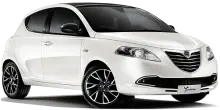

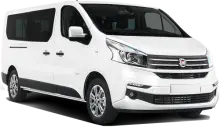


Choose the right car for your trip in Arica, Chile and book in minutes. Compare trusted rental options, find great daily rates, and secure convenient airport pick-up for your travel dates.
Arriving at Chacalluta Airport (ARI) in Arica, Chile, and planning to explore the region by car? Renting a vehicle offers fantastic freedom, but it’s good to know what to expect with the pickup process, potential costs, and the specifics of driving in Chile. This guide will walk you through everything from finding your rental desk to understanding insurance options and navigating local roads.
Rental car desks at Chacalluta Airport are generally located within the arrivals hall. You’ll likely find representatives from several companies offering services. While the exact location can shift, look for signage directing you to the car rental area as you exit baggage claim. Most companies also offer shuttle services to off-airport pickup locations if they don’t have a desk directly inside the terminal.
Several well-known rental companies typically operate at Chacalluta Airport, including options for a wide range of budgets and needs. You’ll generally find choices from companies offering everything from basic economy cars to larger SUVs and premium vehicles. Here’s a look at some popular car classes and approximate daily price ranges (prices change by season and availability):
| Car Class | Approximate Daily Price (USD) |
|---|---|
| Economy | $25 - $40 |
| Compact | $35 - $50 |
| Intermediate | $45 - $65 |
| Standard | $55 - $80 |
| SUV | $70 - $120 |
| Luxury | $100+ |
The best vehicle for you depends on your itinerary. For exploring Arica city itself, an economy or compact car is usually sufficient. If you plan on venturing into the surrounding desert landscapes or mountains, an SUV with higher clearance might be a better choice.
To rent a car in Chile, you’ll generally need a valid driver’s license from your home country. An International Driving Permit (IDP) is often recommended, especially if your license isn’t in Spanish. The minimum age requirement is typically 21, though some companies may have higher age restrictions and surcharges for younger drivers. Be prepared to present your license, passport, and a valid credit card in the renter’s name.
Rental companies will require a security deposit, which is usually held on your credit card. The amount varies depending on the car class and insurance coverage you choose. Payment is almost always by credit card; debit cards are rarely accepted for the rental itself, though they may be used for incidental charges.
Insurance can be a bit confusing. Collision Damage Waiver (CDW) covers damage to the rental car itself, while Theft Protection covers loss due to theft. Often, a basic CDW is included in the rental price, but it usually comes with a significant ‘excess’ – the amount you’re responsible for paying in case of damage. You can reduce or eliminate this excess by purchasing additional insurance at the rental counter. Carefully consider whether the extra cost is worthwhile based on your risk tolerance and travel plans. Don’t hesitate to ask the rental agent to clearly explain the terms of each insurance option.
Chile generally has well-maintained roads, but conditions can vary significantly depending on where you’re traveling. Speed limits are typically posted in kilometers per hour. Be aware that toll roads are common, especially on major highways. Have some Chilean pesos on hand for tolls, though some may accept credit cards. Parking in Arica city can be challenging, so look for designated parking areas or be prepared to circle the block. Driving defensively and being mindful of local traffic patterns is always a good idea.
An IDP is often recommended, even if your license is in English. It’s a good idea to have one, especially for clarity.
Rental companies almost always require a credit card in the renter’s name for the rental and security deposit.
Check your insurance coverage. CDW covers damage, but often has an 'excess' you're responsible for.
Yes, toll roads are frequent, particularly on highways. Keep some Chilean pesos handy.
Most companies have desks in the arrivals hall, but some may use shuttle services to off-airport locations.
Generally 21, but some companies may have higher age restrictions and extra fees for younger drivers.
You’ll need your driver’s license, passport, and a credit card.
Basic insurance is often included, but it’s wise to understand your coverage and consider additional options.
The deposit is held on your credit card and refunded when the car is returned undamaged.
Contact the rental company immediately. They’ll provide assistance and instructions.
Chile has generally safe roads, but be aware of varying conditions and drive defensively.