Small cars
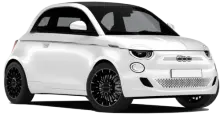
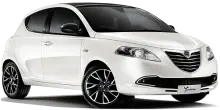

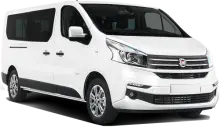
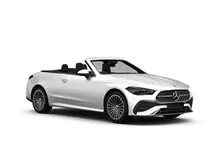
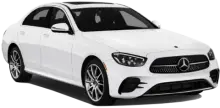
Choose the right car for your trip in Luxembourg, Luxembourg and book in minutes. Compare trusted rental options, find great daily rates, and secure convenient airport pick-up for your travel dates.
Arriving at Luxembourg Airport and planning to explore the country by car is a great idea. Renting a vehicle offers flexibility, but it’s helpful to understand the process – from picking up the keys to navigating local roads and understanding potential costs. This guide will walk you through everything you need to know for a smooth rental experience.
Rental car desks are generally located within the main terminal building, often near the baggage claim area. Follow the signs for ‘Car Rental’ or ‘Ground Transportation’ upon arrival. Several companies typically operate at Luxembourg Airport, including well-known names. You’ll usually find options from major providers, offering a range of vehicles to suit different needs and budgets.
Luxembourg’s roads are well-maintained, making it easy to get around in a variety of vehicles. Here are some popular choices:
1. Economy Cars: Ideal for solo travelers or couples, and for city driving.
2. Compact Cars: A good balance of affordability and space.
3. Standard Cars: Comfortable for families or those with more luggage.
4. Intermediate SUVs: Offer more space and a higher driving position.
5. Full-Size SUVs: Best for larger groups or those planning to explore more rural areas.
6. Luxury Cars: For a more comfortable and stylish experience.
7. Minivans: Perfect for larger families or groups traveling together.
8. Convertibles: Enjoy the scenic routes with the top down.
9. Automatic Transmission Cars: Increasingly popular for ease of driving.
10. Hybrid/Electric Vehicles: An environmentally friendly option.
Here’s a general idea of daily price ranges (prices change by season and availability):
| Car Class | Approximate Daily Price (USD) |
|---|---|
| Economy | $35 - $55 |
| Compact | $45 - $65 |
| Standard | $55 - $80 |
| SUV (Intermediate) | $70 - $110 |
| Luxury | $120+ |
To rent a car in Luxembourg, you’ll generally need a valid driver’s license, a credit card in the primary renter’s name, and a passport or national ID card. The minimum age is typically 21, though some companies may have higher age requirements or charge a young driver fee for those under 25. A security deposit is usually required, held on your credit card, and released upon the vehicle’s safe return. Payment is almost always by credit card; debit cards are rarely accepted.
Rental companies will offer various insurance options. Collision Damage Waiver (CDW) covers damage to the rental car itself. Theft Protection covers the vehicle if it’s stolen. Often, there’s an ‘excess’ – the amount you’re still responsible for in case of damage or theft. You can reduce this excess by purchasing additional insurance. Check if your credit card or personal auto insurance already provides coverage, but always confirm the details with your insurance provider before you travel. Don’t hesitate to ask the rental desk agent to clearly explain all insurance options and their implications.
Driving in Luxembourg is generally straightforward. Speed limits are clearly marked – typically 130 km/h on motorways, 90 km/h on national roads, and 50 km/h in built-up areas. Some motorways have tolls for heavy vehicles, but passenger cars generally do not pay. Parking can be found in towns and cities, often with metered street parking or paid parking garages. Be aware of local traffic regulations and signage.
You’ll typically need a valid driver’s license, a credit card, and your passport or national ID.
Most companies require renters to be at least 21 years old, but some may have higher age limits.
CDW (Collision Damage Waiver) covers damage to the rental car itself, but often has an excess amount you’re still responsible for.
Generally, no. Most rental companies require a credit card in the primary renter’s name.
Passenger cars generally don’t pay tolls on Luxembourg’s motorways.
Parking is available in towns and cities, usually through metered street parking or parking garages.
They drive on the right side of the road in Luxembourg.
Report the damage to the rental company immediately and follow their instructions. Your insurance coverage will apply based on your policy.
For short-term rentals, an International Driving Permit isn’t usually required if you have a license from a European Union country or the United States.
The 'excess' is the amount you're still responsible for paying if the car is damaged or stolen, even with insurance.
Yes, but you’ll usually need to pay an extra fee and the additional driver must meet the rental requirements.
Carefully inspect the car for any existing damage and document it with photos or on the rental agreement before driving away.