Small cars


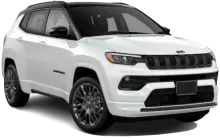
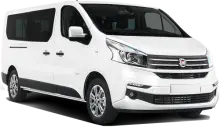


Choose the right car for your trip in Oslo, Norway and book in minutes. Compare trusted rental options, find great daily rates, and secure convenient airport pick-up for your travel dates.
Picking up a rental car at Oslo Airport Gardermoen is a convenient way to start your Norwegian adventure. The process generally involves a bit of paperwork, understanding the costs involved, and familiarizing yourself with local driving conditions. This guide will walk you through everything you need to know to get on the road with confidence.
Rental desks are typically located within the airport terminal buildings, with clear signage directing you to the various companies. Many companies also operate shuttle buses that transport renters to off-airport pickup locations, which are usually just a short ride away. You’ll generally find a good selection of providers at Oslo Airport, including well-known names.
The best car for you depends on your travel plans. Here are some popular options:
| Economy | $30 - $50 |
| Compact | $40 - $60 |
| Intermediate | $50 - $70 |
| Standard | $60 - $80 |
| SUV | $80 - $150 |
| Luxury | $150+ |
Prices change by season and availability.
For exploring cities, an economy or compact car is often sufficient. If you plan on venturing into the mountains or driving on potentially challenging roads, an SUV with all-wheel drive is a good choice. Families might prefer a larger vehicle for comfort and space.
Generally, you’ll need a valid driver’s license, a credit card in the renter’s name, and a passport. The minimum age to rent a car in Norway is typically 19, but some companies may require renters to be 21 or older, and may apply a young driver surcharge. A deposit will be held on your credit card to cover potential damages or extra charges. The amount varies depending on the car class and insurance options. Payment is almost always by credit card; debit cards are rarely accepted.
Rental companies will offer various insurance options. Collision Damage Waiver (CDW) covers damage to the rental car itself. Theft Protection covers the vehicle if it’s stolen. Often, these come with an ‘excess’ – the amount you’re still responsible for paying in case of damage or theft. You can reduce this excess by purchasing additional insurance, but it adds to the overall cost. Check if your credit card or personal auto insurance already provides coverage, and understand the terms before declining the rental company’s options. Don’t hesitate to ask the agent to explain the details clearly.
Norway has a well-maintained road network, but driving conditions can vary depending on the season. Many roads have tolls, which are often automatically collected via electronic systems. Parking in cities can be expensive and limited, so plan accordingly. Speed limits are generally lower than in many other countries – typically 80 km/h on highways and 50 km/h in urban areas. Be aware of wildlife, especially reindeer in northern areas. During winter, snow tires are required by law.
You’ll typically need a valid driver’s license, a passport, and a credit card in the renter’s name.
Most companies require renters to be at least 19, but 21 or 23 is common, with potential young driver fees.
Collision Damage Waiver covers damage to the rental car, but usually has an excess amount you’re still responsible for.
Yes, many roads have tolls, often collected automatically.
Snow tires are legally required during the winter months.
Debit cards are rarely accepted for car rentals; a credit card is usually required.
Report any damage immediately to the rental company. Your insurance (or credit card coverage) will then apply.
Rental desks are generally within the airport terminal, with some companies using shuttle buses.
The excess is the amount you pay out-of-pocket for damage or theft, even with insurance.
Parking in Oslo can be quite expensive, especially in the city center.
In Norway, they drive on the right side of the road.
Booking in advance is highly recommended, especially during peak season, to secure the best rates and availability.