Small cars

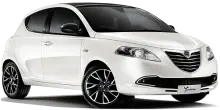
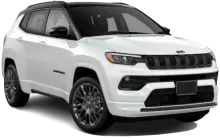
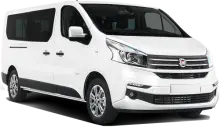
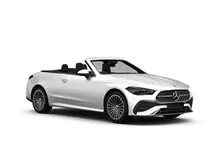

Choose the right car for your trip in Ancona, Italy and book in minutes. Compare trusted rental options, find great daily rates, and secure convenient airport pick-up for your travel dates.
Arriving at Ancona Falconara Airport and planning to explore the region by car? Renting a vehicle offers fantastic freedom, but the process can feel a little daunting. This guide covers everything from finding your rental desk to understanding the roads, helping you start your Italian adventure smoothly.
Rental desks are generally located within the main terminal building, often near the baggage claim area. Follow the signs for ‘Car Rental’ or ‘Rental Cars’ – they are usually quite clear. Some companies operate shuttle services to off-airport pickup locations, which will be explained to you upon booking. Several well-known companies typically have a presence at Ancona Falconara Airport, including Avis, Budget, Europcar, Hertz, and Sixt. It’s always a good idea to compare options and book in advance, especially during peak season.
The best car for you depends on your travel plans. Here are some popular choices:
| Economy | $25 - $40 / day |
| Compact | $30 - $50 / day |
| Intermediate | $40 - $60 / day |
| Standard | $50 - $70 / day |
| SUV | $70 - $120 / day |
| Luxury | $100+ / day |
Prices change by season and availability.
Generally, you’ll need a valid driver’s license (held for at least one year, sometimes two), a passport, and a credit card in the primary driver’s name. The minimum age for renting is usually 21, but drivers under 25 may face additional fees. Rental companies will require a security deposit, which is typically held on your credit card and released upon the vehicle’s safe return. Debit cards are sometimes accepted, but often with stricter conditions and potentially requiring additional proof of financial stability.
Rental agreements come with a lot of insurance jargon. CDW (Collision Damage Waiver) covers damage to the rental car itself. Theft Protection covers the vehicle if it’s stolen. Often, these are included, but with a high ‘excess’ – the amount you’d still be responsible for in case of damage or theft. You can reduce this excess by purchasing additional insurance at the rental desk, but carefully consider if your existing travel insurance or credit card benefits already provide coverage. Don’t hesitate to ask the rental agent to clearly explain all the options and their costs.
Italy has a network of ‘autostrade’ (toll highways). Be prepared to pay tolls, usually in cash or with a credit card. Parking can be challenging in city centers; look for designated parking areas (often blue lines indicate paid parking). Speed limits are generally 130 km/h on highways, 110 km/h on main roads, and 50 km/h in urban areas. Be aware that speed limits are strictly enforced, and cameras are common. Familiarize yourself with Italian traffic laws before you go for a more relaxed experience.
Some companies accept debit cards, but it’s less common and usually comes with stricter requirements. Expect a larger deposit or proof of onward travel.
If you have CDW, the rental company covers the damage, but you’ll likely have an ‘excess’ to pay. Consider reducing the excess with additional insurance.
For many nationalities, a standard driver’s license is sufficient, but it’s best to check the specific requirements based on your country of origin.
They drive on the right side of the road in Italy, just like in most of Europe.
Automatic cars are available, but less common than manual transmissions. Booking in advance is recommended if you prefer an automatic.
Most major roads have tolls. You can pay with cash, credit card, or a Telepass device (for frequent users).
Parking in the city center can be difficult. Look for designated parking areas and be prepared to pay.
Late returns usually incur extra charges, often a full day’s rental rate. Check your rental agreement for details.
Yes, absolutely! Document any existing damage with photos or video to avoid disputes upon return.
The excess is the amount you’re responsible for paying if the car is damaged or stolen, even with insurance.
Yes, but you’ll usually need to pay an extra daily fee for each additional driver.
Rental cars come with a spare tire and tools. Your rental agreement should include instructions, or you can contact the rental company for assistance.