Small cars
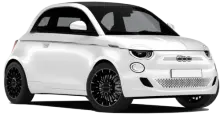
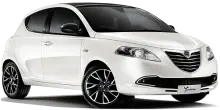
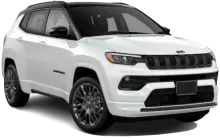
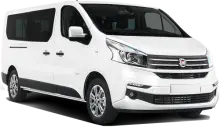
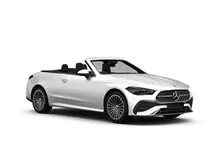

Choose the right car for your trip in Split, Croatia and book in minutes. Compare trusted rental options, find great daily rates, and secure convenient airport pick-up for your travel dates.
Arriving at Split Airport and planning to explore Croatia by car? Renting a vehicle offers fantastic freedom, but the pickup process, understanding costs, and navigating local roads can feel a little daunting. This guide will walk you through everything you need to know about car rental at Split Airport, from finding your rental company to confidently hitting the open road.
Rental desks are generally located within the main airport terminal building, easily accessible after you’ve collected your luggage. You’ll typically find representatives from several companies offering services at Split Airport. Common rental companies operating here include those offering a wide range of vehicles, from budget-friendly options to more premium models. The actual pickup process often involves a short shuttle ride from the desks to the car park where your vehicle is located.
The best car for you depends on your travel plans. For solo travelers or couples sticking to coastal roads, an economy or compact car is often ideal. Families or those planning to explore inland will appreciate the space of an SUV. Here are ten popular choices you’ll likely find available:
| Car Class | Typical Daily Price (USD) |
|---|---|
| Economy | $25 - $40 |
| Compact | $30 - $50 |
| Intermediate | $40 - $60 |
| Standard | $50 - $70 |
| SUV (Small) | $60 - $90 |
| SUV (Large) | $90 - $150 |
| Luxury | $120+ |
| Minivan | $80 - $130 |
| Convertible | $70 - $120 |
| Automatic | +$10 - $20/day |
Prices change by season and availability.
To rent a car in Croatia, you’ll generally need a valid driver’s license (held for at least one year), a passport, and a credit card in the primary driver’s name. The minimum age is usually 21, though drivers under 25 may face additional fees. Rental companies will require a security deposit, typically held on your credit card – be aware of the amount and how it will be returned. Payment is almost always by credit card; debit cards are rarely accepted for the deposit.
Insurance can be a bit confusing. Collision Damage Waiver (CDW) covers damage to the rental car itself, while Theft Protection covers, as the name suggests, theft. Often, a basic level of CDW is included in the rental price, but it usually comes with a significant ‘excess’ – the amount you’d still be liable for in case of damage. You can reduce this excess by purchasing additional insurance at the rental desk, but carefully consider if the cost is worthwhile. Always ask about the specifics of the insurance coverage, including what isn’t covered.
Croatia has a well-maintained road network, but driving conditions can vary. Motorways require a vignette (toll sticker) which you can purchase at border crossings or gas stations. Parking in cities can be challenging and often requires payment. Speed limits are generally 130 km/h on motorways, 110 km/h on main roads, and 50 km/h in built-up areas. Be aware that roads in more rural areas can be narrow and winding, so allow plenty of time for your journey.
You’ll typically need a valid driver’s license, your passport, and a credit card in the primary driver’s name.
For most visitors, an International Driving Permit isn’t required if you have a license from Europe or North America, but it’s always best to check the specific requirements based on your country of origin.
Most rentals include CDW, but it usually has an excess. You’ll be responsible for paying the excess amount if the car is damaged, unless you purchase additional insurance to reduce it.
Motorways require a vignette, a sticker you purchase and display on your windshield. You can buy them at border crossings and most gas stations.
Yes, but you’ll need to declare the additional driver at pickup and they’ll likely need to be added to the rental agreement, potentially with an extra fee.
Credit cards are almost always required for both payment and the security deposit. Debit cards are rarely accepted for the deposit.
Carefully inspect the car for any existing damage and make sure it’s noted on the rental agreement before you drive away.
Automatic cars are available, but they are less common and often more expensive than manual transmission vehicles.
In Croatia, they drive on the right side of the road, just like in most of Europe.
Parking in Split, especially in the old town, can be limited and expensive. Look for designated parking areas and be prepared to pay.
The minimum age is usually 21, but drivers under 25 may be subject to additional fees.
Returning the car late will likely result in extra charges, often billed at a full day’s rate.