Small cars

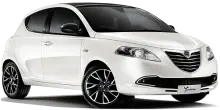
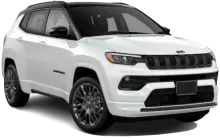
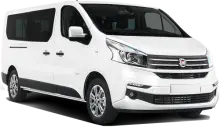


Choose the right car for your trip in Ljubljana, Slovenia and book in minutes. Compare trusted rental options, find great daily rates, and secure convenient airport pick-up for your travel dates.
Picking up a rental car at Ljubljana Joze Pucnik Airport is a convenient way to explore Slovenia, but it’s good to know what to expect. The process involves a bit of paperwork, understanding the costs involved, and familiarizing yourself with local driving conditions. This guide will help you navigate car rental at LJU and get you on the road with confidence.
Rental desks are generally located within the main terminal building, easily accessible after you collect your luggage. Often, you’ll find a consolidated rental car area, meaning several companies are grouped together. Some companies may operate a shuttle service to an off-airport facility for vehicle pickup, so be sure to check the details of your reservation. Common rental companies operating at Ljubljana Airport include well-known international providers.
The best car for you depends on your travel plans. Here are some popular options you’ll likely find available:
| Economy | $25 - $40 / day |
| Compact | $30 - $50 / day |
| Intermediate | $40 - $60 / day |
| Standard | $50 - $70 / day |
| SUV | $60 - $100+ / day |
| Luxury | $100+ / day |
Prices change by season and availability.
Generally, you’ll need a valid driver’s license, a passport, and a credit card in the driver’s name. The minimum age to rent a car in Slovenia is typically 18, but many rental companies have a minimum age of 21 or 25, and may charge a young driver surcharge. A deposit is usually required, held on your credit card to cover potential damages or extra charges. Payment by debit card may be possible with some companies, but often comes with stricter requirements or additional fees. Be prepared for this.
Rental companies will offer various insurance options. Collision Damage Waiver (CDW) covers damage to the rental vehicle itself. Theft Protection covers the car if it’s stolen. Often, there’s an ‘excess’ – the amount you’re still responsible for paying in case of damage or theft. You can reduce this excess by purchasing additional insurance, but carefully consider if it’s worth the cost. Check if your credit card or existing car insurance provides any coverage in Slovenia before accepting additional insurance at the rental desk. Don’t hesitate to ask the agent to clearly explain the terms of each insurance option.
Slovenia has a well-maintained road network. Motorways require a vignette, which is a toll sticker you must purchase and display on your windshield. You can buy these at gas stations and border crossings. Parking in cities can be limited and paid, so look for designated parking areas. Speed limits are generally 130 km/h on motorways, 90 km/h on main roads, and 50 km/h in built-up areas. Be aware of speed cameras, which are common.
For most visitors, an International Driving Permit isn’t required if you have a valid driver’s license from your home country. However, it’s always best to check the specific requirements based on your nationality.
Report any damage immediately to the rental company and follow their instructions. You’ll likely need to complete an accident report form.
Yes, but you’ll need to declare the additional driver at the rental desk and they’ll likely need to be listed on the rental agreement. There may be an extra charge.
Credit cards are the most widely accepted form of payment. Debit card acceptance varies, and often has stricter conditions.
Many rental companies offer GPS navigation systems as an add-on. You can also use your smartphone with a navigation app.
In Slovenia, they drive on the right side of the road, just like in most of Europe.
Automatic cars are available, but they are less common than manual transmission vehicles. It’s best to reserve an automatic car in advance.
During winter months (typically November to March), winter tires are legally required on certain roads. Rental companies will usually provide appropriate tires for the season.
You’ll need to purchase a vignette (toll sticker) and display it on your windshield to use the motorways.
Yes, one-way rentals are often possible, but they usually come with an extra fee.
Rental cars should be equipped with a spare tire, jack, and wheel wrench. If you’re unsure how to change a tire, contact the rental company for assistance.
Returning the car late will likely result in an extra charge, usually calculated per hour or day.