Small cars

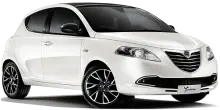

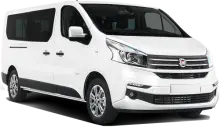


Choose the right car for your trip in Perugia, Italy and book in minutes. Compare trusted rental options, find great daily rates, and secure convenient airport pick-up for your travel dates.
Arriving at Sant Egidio Airport in Perugia and planning to explore Umbria and beyond? Renting a car offers fantastic freedom. This guide covers everything you need to know about picking up your vehicle, understanding the costs, and navigating Italian roads.
Rental car desks are generally located within the arrivals area of the airport. Follow the signs for ‘Car Rental’ or ‘Rent a Car’ after you collect your luggage. Some companies operate a shuttle service to an off-airport facility, so be sure to check the specific instructions in your booking confirmation. Allow a little extra time for this process, especially if you’re unfamiliar with the airport layout.
Be prepared with the necessary documentation. You’ll typically need a valid driver’s license (held for at least one year, and sometimes an International Driving Permit depending on your license origin), your passport, and the booking confirmation. A credit card in the primary driver’s name is essential for the security deposit. Age requirements usually start at 21, but drivers under 25 may face additional fees. Deposits are standard, and the amount will be authorized on your card – it’s not a charge, but it will affect your available credit. Payment is almost always by credit card; debit cards are rarely accepted for the rental itself.
Insurance can be a bit confusing. Collision Damage Waiver (CDW) covers damage to the rental car itself. Theft Protection Waiver (TPW) covers theft. Both often come with an ‘excess’ – the amount you’re still liable for in case of damage or theft. You can reduce this excess by purchasing additional insurance at the rental desk, but it’s often cheaper to arrange this through a third party before your trip. Always ask the agent to clearly explain what is and isn’t covered by each option.
Most rentals offer a ‘full-to-full’ fuel policy: collect the car with a full tank and return it full. If you don’t, you’ll be charged a higher rate per liter. One-way rentals (picking up in Perugia and dropping off elsewhere) are usually possible, but they often incur a significant surcharge. Check the terms and conditions carefully before booking.
Consider whether you need any extras. Child seats are mandatory for young children, and it’s best to reserve them in advance. If you plan to share the driving, add an additional driver to the rental agreement. GPS navigation can be helpful, though many smartphones now offer reliable mapping apps.
Here’s a general idea of daily rental costs (prices change by season and availability):
| Car Class | Typical Daily Price (USD) |
|---|---|
| Economy | $30 - $50 |
| Compact | $40 - $60 |
| Intermediate | $50 - $80 |
| SUV | $70 - $120 |
Italian roads can be busy, especially around major cities. Toll roads (autostrade) are common, and you’ll pay at toll booths – cash and credit cards are usually accepted. Parking can be challenging in historic centers; look for designated parking areas (often blue lines indicate paid parking). Speed limits are generally 130 km/h on highways, 110 km/h on main roads, and 50 km/h in urban areas. Be aware that speed cameras are prevalent.
It depends on your driver’s license. If your license isn’t in Italian or doesn’t meet specific requirements, an IDP is usually needed.
If you have CDW, the rental company will cover the damage, minus any excess amount. You’ll need to file a report.
Yes, but you’ll need to add them to the rental agreement, and there may be an extra fee.
Most toll booths accept cash and credit cards. Some have electronic toll collection systems, but these require pre-registration.
Parking in the historic center can be limited. Look for designated parking areas outside the main tourist zones.
You’ll likely be charged an extra day’s rental fee.
Usually, but you need to check with the rental company beforehand and confirm any restrictions or extra fees.
It’s the amount you’re still responsible for paying if the car is damaged or stolen, even with insurance.
Pre-booking is almost always cheaper, especially during peak season.
Rental cars come with a spare tire and tools. The rental company should provide a contact number for roadside assistance.
‘Full-to-full’ is generally the most economical option.
Automatics are available, but manual transmission cars are more common and often cheaper.