Small cars

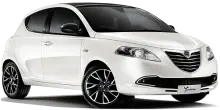

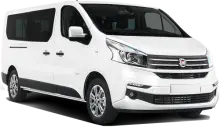


Choose the right car for your trip in Bologna, Italy and book in minutes. Compare trusted rental options, find great daily rates, and secure convenient airport pick-up for your travel dates.
Arriving at Guglielmo Marconi Airport and planning to explore Bologna and the surrounding region by car? Renting a vehicle offers fantastic freedom, but the process can feel a little daunting. This guide covers everything from finding your rental desk to understanding the roads, helping you start your Italian adventure smoothly.
Rental desks at Bologna Airport are generally located within the arrivals area of the terminal. Follow the signs for ‘Car Rental’ or ‘Rent a Car’ after you collect your luggage. Several companies typically operate here, including well-known names. You’ll likely find options from companies offering a wide range of vehicles, from small city cars to larger family SUVs.
The best car for you depends on your travel plans. For navigating Bologna’s city streets, an economy or compact car is ideal. If you’re heading into the hills or need more space, consider an SUV. Here’s a general idea of what’s commonly available:
| Car Class | Typical Daily Price (USD) |
|---|---|
| Economy | $30 - $50 |
| Compact | $40 - $60 |
| Intermediate | $50 - $75 |
| Standard | $60 - $90 |
| SUV | $80 - $150 |
| Luxury | $120+ |
Prices change by season and availability.
To rent a car in Italy, you’ll generally need a valid driver’s license (held for at least one year), a passport, and a credit card in the primary driver’s name. The minimum age is usually 21, but drivers under 25 may face additional fees. Rental companies will require a security deposit, which is typically held on your credit card. Be aware of the deposit amount, as it can vary significantly depending on the car class. Payment with debit cards is often restricted, so check the specific company’s policy.
Rental companies will offer various insurance options. Collision Damage Waiver (CDW) covers damage to the rental car itself. Theft Protection covers the vehicle if it’s stolen. Often, these come with an ‘excess’ – the amount you’re still responsible for in case of damage or theft. You can reduce this excess by purchasing additional insurance, but it adds to the cost. Check if your credit card or existing car insurance provides any coverage before you travel. Don’t hesitate to ask the rental agent to clearly explain the terms of each insurance option.
Italy has a network of toll roads (autostrade). Be prepared to pay tolls, usually in cash or with a credit card. Parking in cities can be challenging and expensive. Look for blue lines, which indicate paid parking. Display a parking disc (often purchased locally) to show your arrival time. Speed limits are generally 130 km/h on highways, 110 km/h on main roads, and 50 km/h in urban areas. Be aware that speed limits are strictly enforced.
Generally, yes, if it’s valid and you’ve held it for at least one year. An International Driving Permit is recommended, but not always required.
Check your insurance coverage. CDW covers damage to the car, but usually has an excess. You’ll be responsible for the excess amount.
Tolls can add up, especially on longer journeys. The cost depends on the distance traveled.
Yes, parking in the city center can be limited and expensive. Look for designated parking areas and be prepared to pay.
Most companies require a credit card in the driver’s name for the deposit and rental fee. Debit card acceptance is limited.
The excess is the amount you’re responsible for paying if the car is damaged or stolen, even with insurance.
Yes, but you’ll usually need to pay an extra daily fee and the additional driver must meet the rental requirements.
You’ll likely be charged an extra day’s rental fee, and potentially additional charges.
Most rentals require you to return the car with the same fuel level as when you picked it up. You can often pre-pay for a full tank.
Yes, but automatics are less common and often more expensive than manual transmission vehicles.
Rental cars come with a spare tire and tools. The rental company should provide instructions or roadside assistance contact information.
Absolutely. Document any existing damage with photos or video to avoid being charged for it later.