Small cars

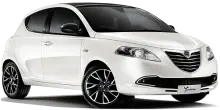
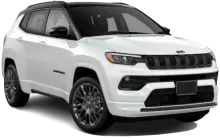
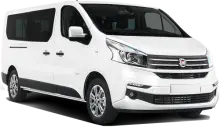


Choose the right car for your trip in Aalesund, Norway and book in minutes. Compare trusted rental options, find great daily rates, and secure convenient airport pick-up for your travel dates.
Arriving at Vigra Alesund Airport and planning to explore the beautiful region? Renting a car offers the most flexibility. This guide covers everything from collecting your vehicle and understanding the costs, to navigating Norwegian roads.
Rental desks are generally located within the main terminal building, often near the baggage claim area. You’ll usually find representatives from several companies available. Some companies may operate a shuttle service to an off-airport facility for vehicle pickup, so be sure to check the details of your reservation. Expect the usual paperwork – driver’s licenses, booking confirmations, and credit card authorizations. Take your time reviewing the rental agreement before signing.
Several well-known rental companies typically operate at Vigra Alesund Airport. You can generally find options from providers like Avis, Budget, Europcar, Hertz, and Sixt. It’s always a good idea to compare prices and vehicle options from multiple companies before booking.
The best car for you depends on your travel plans. Here are some popular choices for visitors to Norway:
| Car Class | Typical Daily Price (USD) |
|---|---|
| Economy | $40 - $60 |
| Compact | $50 - $75 |
| Intermediate | $65 - $90 |
| Standard | $80 - $110 |
| SUV | $100 - $150 |
| Luxury | $150+ |
Prices change by season and availability.
To rent a car in Norway, you’ll generally need to be at least 19 years old, though some companies may require you to be 21 or 25. A valid driver’s license is essential, and if it’s not in English, an International Driving Permit is usually required. You’ll also need a valid credit card in the renter’s name to cover the deposit. Deposits can vary, but expect several hundred dollars to be held as a security.
Rental companies will offer various insurance options. Collision Damage Waiver (CDW) covers damage to the rental car itself. Theft Protection covers loss or damage due to theft. Often, there’s an ‘excess’ – the amount you’re still responsible for in the event of damage or theft. You can often reduce this excess by purchasing additional insurance. Carefully consider whether your existing travel insurance or credit card benefits already provide coverage. Don’t hesitate to ask the rental agent to clearly explain the terms of each insurance option.
Norway has a well-maintained road network, but driving conditions can vary, especially in winter. Many roads are subject to tolls, which are often automatically collected via electronic systems. Parking can be expensive in cities, and it’s important to pay attention to parking regulations. Speed limits are generally lower than in many other countries – typically 80 km/h on highways and 50 km/h in urban areas. Be aware of wildlife, especially reindeer in northern areas.
You’ll need your driver’s license, booking confirmation, and a credit card in the renter’s name.
Generally, no. Most rental companies require a credit card for the deposit.
If your driver’s license isn’t in English, you’ll likely need an International Driving Permit.
The excess is the amount you’re responsible for paying if the car is damaged or stolen.
Yes, many roads have tolls, often collected automatically.
In Norway, they drive on the right side of the road.
Report the damage to the rental company immediately and follow their instructions.
Yes, but you’ll usually need to pay an extra fee and the additional driver must meet the rental requirements.
You’ll likely be charged an extra day’s rental fee.
Winter driving can be challenging due to snow and ice. Winter tires are often required.
Most rentals require you to return the car with the same fuel level as when you picked it up.
Rental cars come with a spare tire and tools. The rental company should provide instructions.