Small cars
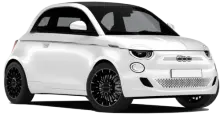
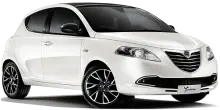
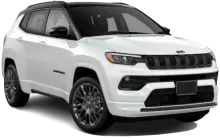
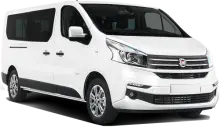
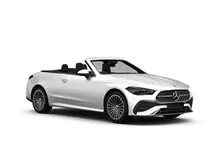
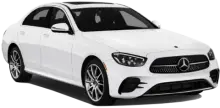
Choose the right car for your trip in Belfast, United Kingdom and book in minutes. Compare trusted rental options, find great daily rates, and secure convenient airport pick-up for your travel dates.
Arriving at Belfast International Airport and planning to explore Northern Ireland by car? Renting a vehicle offers fantastic freedom, but the process can feel a little daunting. This guide covers everything from collecting your keys to navigating local roads, helping you start your journey smoothly.
Rental car desks are generally located within the main terminal building, often near the baggage claim area. Follow the signs for ‘Car Rental’ or ‘Ground Transportation’ upon arrival. Most companies offer shuttle services to off-airport parking lots where the cars are kept, but many also have desks directly in the terminal. You’ll typically find a good selection of providers operating at Belfast International Airport, including well-known names.
The best car for you depends on your travel plans. Here are some popular options, keeping in mind the roads in Northern Ireland can range from wide motorways to narrow country lanes:
| Economy | $30 - $50 |
| Compact | $40 - $60 |
| Intermediate | $50 - $70 |
| Standard | $60 - $80 |
| SUV | $80 - $120 |
| Luxury | $120+ |
Prices change by season and availability.
To rent a car in the United Kingdom, you’ll generally need a valid driver’s license (held for at least a year), a credit card in the main driver’s name, and a passport. The minimum age is usually 21, but drivers under 25 may face additional fees. Rental companies will require a security deposit, typically held on your credit card, to cover potential damage or excess mileage. Be sure to understand the deposit amount and the process for its return.
Rental agreements often include Collision Damage Waiver (CDW), which covers damage to the rental car itself. However, CDW usually has an ‘excess’ – the amount you’re still responsible for paying. You can reduce this excess by purchasing additional insurance, either through the rental company or a third-party provider. Theft Protection is also common, and it’s worth checking what’s covered. Don’t hesitate to ask the rental agent to clearly explain all insurance options and what they cover before you sign anything.
Driving is on the left side of the road in Northern Ireland. Speed limits are posted in miles per hour. Motorways generally have a speed limit of 70 mph, single carriageways 60 mph, and built-up areas 30 mph. Toll roads are not common, but be aware of parking restrictions in cities like Belfast. Parking meters and pay-and-display systems are widely used. Familiarize yourself with local road signs and be prepared for narrow, winding roads in rural areas.
You’ll typically need your driver’s license, passport, and a credit card in the main driver’s name.
For most visitors, an International Driving Permit isn’t required if you have a license from a country that’s part of the 1949 Geneva Convention.
The ‘excess’ is the amount you’re responsible for paying towards any damage, even with CDW insurance.
Yes, but there’s usually an extra daily fee for each additional driver.
Report any damage to the rental company immediately and follow their instructions for filing a claim.
Credit cards are almost always required for the deposit and rental fee. Debit cards are sometimes accepted, but with restrictions.
Toll roads are not very common in Northern Ireland.
You drive on the left side of the road in Northern Ireland.
You are responsible for paying any parking tickets you receive.
Usually, but you must check with the rental company beforehand, as there may be restrictions and additional fees.
You’ll likely be charged an extra day’s rental fee, or a pro-rated hourly rate.
Follow the signs for ‘Car Rental’ or ‘Ground Transportation’ within the main terminal building.