Small cars

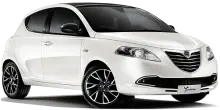
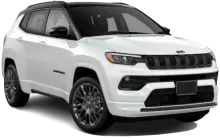
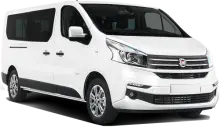


Choose the right car for your trip in Trondheim, Norway and book in minutes. Compare trusted rental options, find great daily rates, and secure convenient airport pick-up for your travel dates.
Arriving at Trondheim Airport Vaernes and planning to explore Norway by car? Renting a vehicle offers fantastic freedom, but the pickup process, understanding costs, and navigating local roads can feel a little daunting. This guide will walk you through what to expect when renting a car at TRD, from finding the rental desks to understanding insurance options and driving in Norway.
Rental car desks are generally located within the main terminal building at Trondheim Airport Vaernes. You’ll typically find a range of companies offering services here. While availability changes, you can often find representatives from well-known rental agencies. Follow the signs for ‘Car Rental’ after you collect your luggage. Some companies operate shuttle buses to off-airport pickup locations, so be sure to check the details of your reservation.
The best car for you depends on your travel plans. For solo travelers or couples sticking to cities, an economy or compact car is often ideal. Families or those planning to explore more remote areas might prefer an SUV. Here are some popular choices you’ll likely find:
| Economy | $35 - $60 / day |
| Compact | $45 - $75 / day |
| Intermediate | $60 - $90 / day |
| Standard | $75 - $110 / day |
| SUV | $90 - $150+ / day |
| Luxury | $150+ / day |
Prices change by season and availability.
Generally, you’ll need a valid driver’s license, a credit card in the primary renter’s name, and a passport. The minimum age to rent a car in Norway is typically 19, but many rental companies have a higher minimum age (21 or 25) and may charge a young driver surcharge. Deposits are usually held on your credit card as a security measure, and the amount will vary depending on the car class and insurance options. Be prepared for this hold, and ensure your credit card has sufficient available credit. Payment with debit cards is often restricted, so check the rental company’s policy beforehand.
Rental companies will offer various insurance options. Collision Damage Waiver (CDW) covers damage to the rental car itself, while Theft Protection covers theft or attempted theft. Often, these come with an ‘excess’ – the amount you’re still responsible for paying in the event of damage or theft. You can reduce this excess by purchasing additional insurance, but this will increase the daily rental cost. Check if your credit card or personal auto insurance already provides coverage for rental cars, as this could save you money. Don’t hesitate to ask the rental agent to clearly explain the terms of each insurance option before you sign anything.
Norway has a well-maintained road network, but driving conditions can vary depending on the season. In winter, snow and ice are common, and winter tires are legally required. Many roads have tolls, and these are often electronic. You can pay tolls by registering your vehicle with a toll tag provider or by paying online after your trip. Speed limits are generally lower than in many other countries – typically 80 km/h on highways and 50 km/h in urban areas. Parking can be expensive in cities, so look for designated parking areas and be aware of parking regulations.
You’ll generally need a valid driver’s license, a passport, and a credit card.
For most visitors, an International Driving Permit isn’t required if your license is in English or a European language.
Check your insurance coverage. CDW covers damage, but often has an excess you’ll need to pay.
Yes, but you’ll usually need to pay an additional fee and the extra driver must meet the rental requirements.
Yes, many roads have electronic tolls. You can pay online or register for a toll tag.
In Norway, they drive on the right side of the road.
Winter tires are legally required during the winter months. Rental cars will typically be equipped with them during this period.
The rental company won’t be able to complete the rental until a card with sufficient credit is presented.
Some companies offer after-hours pickup, but it’s usually arranged in advance and may incur a fee.
The excess is the amount you’re responsible for paying if the car is damaged or stolen, even with insurance.
GPS navigation can usually be added to your rental for an extra daily fee, or you can use your smartphone.