Small cars

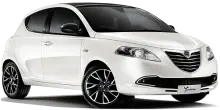
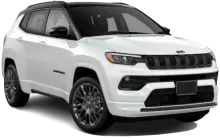
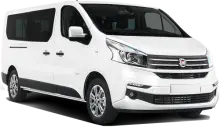

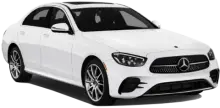
Choose the right car for your trip in Ostersund, Sweden and book in minutes. Compare trusted rental options, find great daily rates, and secure convenient airport pick-up for your travel dates.
Arriving at Are Ostersund Airport and planning to explore Sweden by car? Renting a vehicle offers fantastic freedom, but the process can feel a little daunting. This guide covers everything from finding your rental desk to understanding the roads, helping you start your journey smoothly.
Rental car desks at Are Ostersund Airport are generally located within the main terminal building, close to the baggage claim area. You’ll typically find representatives from several companies offering services here. Common providers include well-known international agencies. Follow the signs for ‘Car Rental’ or ‘Rental Cars’ upon arrival; airport staff can also direct you. Pickup points for the actual vehicles are usually a short shuttle ride from the terminal – the rental company will explain this process when you collect your paperwork.
The best car for you depends on your travel plans. Here are some popular options you’ll likely find available at Are Ostersund Airport:
| Economy | $30 - $50 |
| Compact | $40 - $60 |
| Intermediate | $50 - $70 |
| Standard | $60 - $80 |
| SUV (Small) | $70 - $100 |
| Luxury | $100+ |
Prices change by season and availability.
To rent a car in Sweden, you’ll generally need a valid driver’s license held for at least one year. If your license isn’t in Swedish or English, an International Driving Permit is often required. The minimum age is usually 19 or 21, but drivers under 25 may face additional fees. Be prepared to present your license, passport, and a major credit card in the driver’s name. Rental companies will typically place a deposit on your card to cover potential damages or extra charges. The amount varies, but it’s often the excess amount of your insurance plus the estimated rental cost.
Rental companies will offer various insurance options. Collision Damage Waiver (CDW) covers damage to the rental car itself. Theft Protection covers the vehicle if it’s stolen. ‘Excess’ refers to the amount you’re still responsible for paying even with CDW. You can often reduce the excess by purchasing additional insurance, but consider if your existing credit card or travel insurance already provides coverage. Don’t hesitate to ask the rental agent to clearly explain the terms of each insurance option before you agree.
Sweden generally has well-maintained roads. Speed limits are clearly marked – typically 110 km/h on highways, 90 km/h on rural roads, and 50 km/h in urban areas. Toll roads are becoming more common, particularly in larger cities; be prepared for automatic toll collection systems. Parking can be limited and sometimes expensive in city centers. Pay attention to parking signs, and be aware that stopping in bus lanes or on pedestrian crossings is prohibited.
Most rentals include CDW, but check the 'excess' amount. You'll be responsible for that amount, or you can pay extra to reduce it.
Yes, but you’ll usually need to pay an additional daily fee and the extra driver must meet the same requirements as the primary driver.
Major credit cards are almost always accepted. Debit cards are sometimes accepted, but often with restrictions.
You can usually rent a GPS unit, or use your smartphone with a map app. Check if your mobile plan covers data roaming in Sweden.
In Sweden, they drive on the right side of the road, just like in most of Europe and North America.
Both manual and automatic transmissions are available, but automatics may be less common and slightly more expensive.
If you're renting during the winter months (typically November to March), the car will almost certainly be equipped with winter tires by law.
Generally, you can, but you must inform the rental company in advance and there may be restrictions or extra fees.
Contact the rental company as soon as possible. They may be able to adjust your pickup time, but it’s not guaranteed.
Most rentals require you to return the car with a full tank of gas. You’ll be charged a higher rate if they have to refill it for you.
Many tolls are automatic. The rental company can explain the system and any associated charges.