Small cars
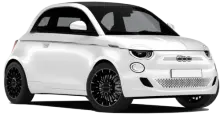
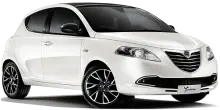
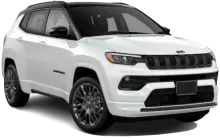
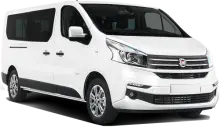
Choose the right car for your trip in Phuket, Thailand and book in minutes. Compare trusted rental options, find great daily rates, and secure convenient airport pick-up for your travel dates.
Arriving at Phuket International Airport and planning to explore the island by car? Renting a vehicle offers fantastic freedom, but the pickup process, understanding costs, and navigating local roads can feel a little daunting. This guide aims to give you a clear picture of what to expect when renting a car at HKT, from collecting your keys to confidently hitting the open road.
Rental car desks are generally located within the arrivals area of the airport. You’ll typically find a range of companies offering services at Phuket International Airport. Common providers include well-known international companies and several local Thai options. Follow the signs for ‘Car Rental’ after you collect your luggage; the desks are usually grouped together for convenience. Some companies also operate shuttle services to off-airport pickup locations, so be sure to check the details of your reservation.
Phuket’s roads vary from smooth highways to smaller, winding routes, so your ideal car depends on your plans. Here are some popular choices:
| Economy | $15 - $25/day |
| Compact | $20 - $30/day |
| Mid-Size | $25 - $40/day |
| SUV (Small) | $40 - $60/day |
| SUV (Large) | $60 - $100+/day |
| Luxury | $80 - $150+/day |
Prices change by season and availability.
For exploring the beaches and towns, a compact or mid-size car is often sufficient. If you plan on venturing into the hills or prefer a more comfortable ride, an SUV is a good option. Luxury cars are available if you’re looking for something more upscale.
Generally, you’ll need a valid driver’s license from your home country. An International Driving Permit (IDP) is often recommended, and sometimes required, especially if your license isn’t in English. The minimum age to rent a car is typically 21, but some companies may have a higher age requirement, and drivers under 25 may face additional fees. Be prepared to present your passport, driver’s license (and IDP if applicable), and a major credit card in the renter’s name. A security deposit will be held on your card; the amount varies depending on the car class and insurance options. Payment is almost always by credit card, and debit cards are rarely accepted for the deposit.
Rental companies will offer various insurance options. Collision Damage Waiver (CDW) covers damage to the rental car itself. Theft Protection covers the vehicle if it’s stolen. Often, these come with an ‘excess’ – the amount you’re still responsible for paying in case of damage or theft. You can reduce this excess by purchasing additional insurance, but this will increase the daily rental cost. Carefully consider your existing travel insurance or credit card benefits, as they may already provide some level of coverage. Don’t hesitate to ask the rental agent to clearly explain the terms of each insurance option before you agree.
Traffic in Phuket can be busy, especially in Patong and Phuket Town. Driving is on the left side of the road. Speed limits are generally 90 km/h on highways and lower in towns. Toll roads are common, and you’ll usually pay with cash at the toll booths. Parking can be challenging in popular areas; look for designated parking lots or ask your hotel for advice. Be aware of motorbikes, as they are a common form of transportation and can weave in and out of traffic. Defensive driving is always a good idea.
An IDP is often recommended, and sometimes required, especially if your driver’s license isn’t in English. Check the specific requirements of your rental company.
Rental companies typically require a major credit card for both payment and the security deposit. Debit cards are rarely accepted for the deposit.
Collision Damage Waiver (CDW) covers damage to the rental car itself, but usually has an 'excess' – an amount you're still responsible for.
Basic insurance is sometimes included, but it often has a high excess. Additional insurance options are available to reduce this excess.
Driving is on the left side of the road in Thailand.
Yes, toll roads are common. You typically pay with cash at the toll booths.
Parking can be challenging in popular areas. Look for designated parking lots or ask your hotel for advice.
If you have CDW, it will cover the damage up to the excess amount. You’ll need to report the damage to the rental company and file a police report if necessary.
Yes, but you’ll usually need to pay an additional fee and the extra driver must meet the same requirements as the primary driver.
Carefully inspect the car for any existing damage and document it with photos or video. Make sure everything is noted on the rental agreement.
The deposit amount varies depending on the car class and insurance options, but it can range from a few hundred to over a thousand USD.
Yes, many rental companies offer GPS navigation systems for an additional daily fee. You can also use a smartphone navigation app.