Small cars
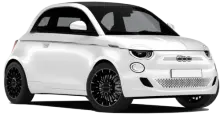
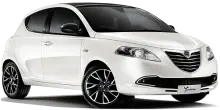
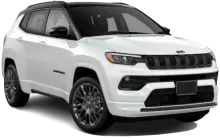
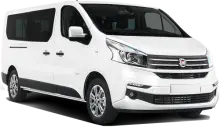
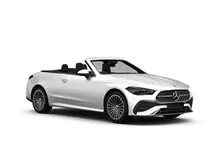

Choose the right car for your trip in Phu Quoc, Vietnam and book in minutes. Compare trusted rental options, find great daily rates, and secure convenient airport pick-up for your travel dates.
Arriving at Phu Quoc Airport and wanting to explore the island at your own pace is a great idea. Renting a car offers freedom, but it’s helpful to know what to expect with the pickup process, potential costs, and the specifics of driving in Vietnam. This guide will walk you through everything you need to know to get on the road with confidence.
Rental car desks are generally located within the arrivals hall of Phu Quoc Airport. You’ll likely find several companies offering services, including well-known international providers and local Vietnamese options. Follow the signs for ‘Car Rental’ or ‘Ground Transportation’ after you collect your luggage. Pickup points can sometimes be a short shuttle ride from the terminal, so be sure to confirm the exact location with your rental company.
Phu Quoc’s roads range from well-maintained main routes to smaller, more rustic tracks, so your choice of vehicle depends on your planned itinerary. Here are some popular options:
1. Economy Cars (e.g., Kia Picanto): Ideal for solo travelers or couples focusing on town exploration.
2. Compact Cars (e.g., Toyota Vios): A good all-rounder for couples or small families.
3. Medium Cars (e.g., Hyundai Elantra): More space and comfort for longer journeys.
4. Standard Cars (e.g., Toyota Camry): Suitable for families or those prioritizing comfort.
5. SUVs (e.g., Hyundai Tucson): Excellent for exploring more remote areas and handling varied road conditions.
6. Minivans (e.g., Toyota Innova): Perfect for larger groups or families.
7. Automatic Transmission Cars: Highly recommended for ease of driving, especially if you’re not used to manual.
8. Convertibles: For enjoying the coastal scenery (availability may be limited).
9. Luxury Cars (e.g., Mercedes-Benz C-Class): For a more premium experience.
10. Motorbikes/Scooters: A very popular option, but requires an appropriate license and caution.
Here’s a general idea of daily price ranges (prices change by season and availability):
| Car Class | Approximate Daily Price (USD) |
|---|---|
| Economy | $20 - $30 |
| Compact | $25 - $40 |
| SUV | $50 - $80 |
| Minivan | $60 - $100 |
To rent a car in Vietnam, you’ll generally need a valid driver’s license from your home country (an International Driving Permit is often required, check the specific requirements of your rental company). You’ll also need your passport and a credit card in your name for the deposit. The minimum age is typically 21, but some companies may require you to be older. Deposits can vary, but expect several hundred US dollars to be held on your card. Payment is usually accepted by credit card, but having some local currency for tolls and parking is a good idea.
Insurance is crucial. Collision Damage Waiver (CDW) is usually included, but often with a high excess (the amount you pay if there’s damage). You can reduce this excess by purchasing additional insurance. Theft protection is also important. Carefully review the insurance options offered at the desk and ask questions about what is and isn’t covered.
Driving in Phu Quoc is generally straightforward, but be aware of a few things. Traffic can be busy in Duong Dong town. Speed limits are generally 50 km/h in urban areas and 80 km/h on highways, but these aren’t always strictly enforced. Toll roads are becoming more common, so keep some small bills handy. Parking can be found in most towns, but it can sometimes be limited. Be cautious of motorbikes and pedestrians, and always drive defensively.
It’s often required, even with a valid license from your home country. Check with your rental company for their specific requirements.
Expect a deposit of several hundred USD to be held on your credit card.
CDW is usually included, but consider reducing the excess with additional insurance.
Credit cards are generally preferred for the rental itself, but have local currency for tolls and parking.
Yes, but they may be more expensive and book up quickly, so reserve in advance.
Traffic can be busy in Duong Dong town, but generally manageable elsewhere on the island.
Yes, toll roads are becoming more common. Keep some small bills handy.
They drive on the right side of the road in Vietnam.
Parking is generally available, but can be limited in popular areas.
You’ll need your passport, driver’s license (and potentially an IDP), and a credit card.
Your insurance will cover some or all of the damage, depending on your coverage and the excess amount.