Small cars


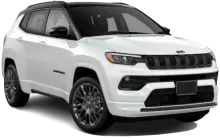
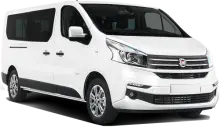


Choose the right car for your trip in Newburgh, United States and book in minutes. Compare trusted rental options, find great daily rates, and secure convenient airport pick-up for your travel dates.
Arriving at Stewart International Airport and planning to explore the Hudson Valley or beyond? Renting a car offers the most flexibility. This guide covers everything from finding your rental company and completing the paperwork to understanding costs and navigating local roads.
Rental car desks are generally located within the main airport terminal, often near the baggage claim area. Follow the signs for ‘Rental Cars’ or ‘Ground Transportation’ upon arrival. Many companies offer shuttle services to off-airport facilities, which is common at smaller airports. Expect a short ride if your chosen company operates from an off-site location. Some of the companies that frequently operate at Stewart International Airport include well-known names like Alamo, Avis, Budget, Enterprise, and Hertz.
Stewart International Airport serves a variety of travelers, so a wide range of vehicles are usually available. Here are some popular choices:
| Economy | $30 - $50 / day |
| Compact | $35 - $60 / day |
| Intermediate | $40 - $70 / day |
| Standard | $45 - $80 / day |
| SUV (Small/Mid-Size) | $60 - $120 / day |
| Luxury | $80 - $150+ / day |
Prices change by season and availability.
Consider your travel plans when selecting a vehicle. If you’re primarily sticking to city driving, an economy or compact car will be fuel-efficient and easy to park. For exploring more rural areas or traveling with a group, an SUV might be a better fit.
To rent a car in the United States, you’ll generally need a valid driver’s license, a credit card in your name, and be at least 21 years old (though some companies may have a minimum age of 25 without additional fees). A deposit is typically required, which is held on your credit card to cover potential damages or extra mileage. The amount varies, but expect several hundred dollars. Be sure to understand the deposit terms before signing the rental agreement.
Payment is almost always by credit card. Debit cards are sometimes accepted, but often with stricter requirements and limitations.
Rental companies will offer various insurance options. Collision Damage Waiver (CDW) covers damage to the rental car itself. Theft insurance protects against vehicle theft. Excess insurance reduces the amount you’d pay out-of-pocket in case of damage or theft. Check if your existing auto insurance or credit card provides coverage before purchasing additional insurance at the rental counter. Don’t hesitate to ask the agent to explain the details of each option clearly.
Driving in the United States generally involves following posted speed limits (displayed in miles per hour). Be aware of toll roads, particularly when traveling along the East Coast. Many tolls are collected electronically, so research options like E-ZPass if you plan on frequent toll road use. Parking regulations vary by city and town; pay attention to signs to avoid tickets. Always wear your seatbelt, and remember that driving under the influence is strictly prohibited.
A valid driver’s license, a credit card in your name, and sometimes an additional form of identification are required.
Generally, yes. Debit cards may be accepted with restrictions.
Most companies require renters to be at least 21, but fees may apply for drivers under 25.
Collision Damage Waiver covers damage to the rental vehicle itself.
Check your existing auto insurance and credit card benefits first. You may already be covered.
Document any pre-existing damage with the rental agent *before* leaving the lot.
Yes, especially on certain bridges and highways. Research toll payment options beforehand.
In the United States, we drive on the right side of the road.
Late return fees can be significant. Check your rental agreement for details.
Yes, but there may be an additional daily fee for each extra driver.
Rental cars come with a spare tire and tools, or you can contact the rental company for roadside assistance.
Follow the signs for 'Rental Cars' or 'Ground Transportation' within the airport terminal.