Small cars



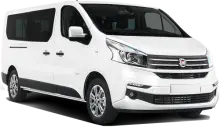


Choose the right car for your trip in Helsinki, Finland and book in minutes. Compare trusted rental options, find great daily rates, and secure convenient airport pick-up for your travel dates.
Picking up a rental car at Helsinki-Vantaa Airport is a convenient way to explore Finland, but it’s good to know what to expect. The process involves a bit of paperwork, understanding the costs involved, and familiarizing yourself with local driving conditions. This guide will walk you through everything you need to know for a smooth rental experience.
Rental desks are generally located within the airport terminals, with clear signage directing you to the various counters. Many companies offer shuttle services from the terminal to their off-airport pickup locations, which is common during peak travel times. You’ll typically find a good selection of rental companies operating at Helsinki-Vantaa, including well-known names.
The best car for you depends on your travel plans. Here are some popular options you’ll likely find available:
| Economy | $30 - $50 / day |
| Compact | $40 - $60 / day |
| Intermediate | $50 - $70 / day |
| Standard | $60 - $80 / day |
| SUV | $80 - $150 / day |
| Luxury | $120+ / day |
Prices change by season and availability.
To rent a car in Finland, you’ll generally need a valid driver’s license, and if it’s not in English or Finnish, an International Driving Permit is usually required. Most rental companies require renters to be at least 21 years old, though age restrictions and associated fees can vary. A credit card in the renter’s name is essential for the security deposit, which is typically held to cover potential damage or excess mileage. Debit cards are sometimes accepted, but often with stricter conditions. Be prepared to show your passport as well.
Rental companies will offer various insurance options. Collision Damage Waiver (CDW) covers damage to the rental car itself, while Theft Protection covers loss or damage due to theft. Often, these come with an ‘excess’ – the amount you’re still responsible for paying in case of damage or theft. You can reduce this excess by purchasing additional insurance, but it adds to the overall cost. Carefully review what your existing car insurance or credit card benefits already cover before accepting additional insurance at the rental desk. Don’t hesitate to ask the agent to clearly explain the terms of each insurance option.
Finland has a well-maintained road network, but driving conditions can be challenging in winter due to snow and ice. Speed limits are generally clearly marked – typically 50 km/h in urban areas, 80 km/h on main roads outside cities, and 100-120 km/h on motorways. Many roads are subject to tolls, and payment is often automated. Parking in cities can be limited and sometimes expensive, so look for designated parking areas and pay attention to signage. During the winter months, studded tires are common and sometimes required by law.
Rental desks are usually inside the terminals. Some companies operate shuttle buses to off-airport facilities, especially during busy periods.
You’ll need a valid driver’s license, your passport, and a credit card in the renter’s name.
Some companies accept debit cards, but often with more restrictions and potentially higher deposits.
CDW (Collision Damage Waiver) covers damage to the rental car, but usually has an ‘excess’ you’re still responsible for.
Basic insurance is often included, but it’s important to understand what’s covered and what isn’t. Additional insurance is usually offered.
Generally, 50 km/h in towns, 80 km/h on main roads, and 100-120 km/h on motorways.
Many roads have tolls, and payment is often automated. You don’t usually need to stop to pay.
Winter driving can be challenging due to snow and ice. Studded tires are common and sometimes required.
Report any damage immediately to the rental company. Your insurance (CDW) will cover some or all of the costs, depending on the terms.
Most companies require renters to be at least 21 years old, and may charge extra for younger drivers.
Rental cars should have a spare tire and tools. If you’re unsure how to change it, contact the rental company for assistance.
Parking can be limited and expensive in the city center. Look for designated parking areas and pay attention to signage.