Small cars


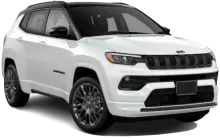



Choose the right car for your trip in Kauai Island, United States and book in minutes. Compare trusted rental options, find great daily rates, and secure convenient airport pick-up for your travel dates.
Arriving at Lihue Airport and ready to explore Kauai? Renting a car is a fantastic way to experience the island’s beauty at your own pace. This guide covers everything from picking up your vehicle and understanding the costs, to a few things to keep in mind while driving in Hawaii.
Rental car counters are generally located within the main terminal building, easily accessible after you collect your luggage. Most companies offer shuttle services to off-airport pickup locations if their desks aren’t directly inside the terminal. You’ll typically find a good selection of rental companies operating at Lihue Airport, including well-known names.
Kauai’s diverse terrain calls for different vehicles depending on your plans. Here are some popular choices:
| Economy | $50 - $80 / day |
| Compact | $60 - $90 / day |
| Intermediate | $70 - $100 / day |
| Standard | $80 - $120 / day |
| SUV (Small/Mid-Size) | $100 - $180 / day |
| Luxury | $150+ / day |
Prices change by season and availability.
For exploring the Waimea Canyon or driving the North Shore, a Jeep or SUV can be helpful. If you plan to stick to the main roads, a compact or intermediate car will likely be sufficient and more economical.
To rent a car in the United States, you’ll generally need a valid driver’s license, and most companies require renters to be at least 21 years old (though fees may apply for drivers under 25). A credit card in the renter’s name is usually required for the deposit. Debit cards are sometimes accepted, but often with stricter requirements. Be prepared to show your driver’s license, and potentially a passport if you’re an international traveler.
Deposits vary, but typically range from a few hundred dollars, depending on the vehicle type. This isn’t the final cost, but a hold on your credit card to cover potential damages or extra mileage.
Rental companies will offer various insurance options. Collision Damage Waiver (CDW) covers damage to the rental car itself. Theft Protection covers loss due to theft. Excess insurance reduces the amount you’d pay out-of-pocket in case of damage. Check if your existing auto insurance or credit card provides coverage before purchasing additional insurance at the rental counter. Don’t hesitate to ask the agent to clearly explain the terms of each option.
Kauai doesn’t have toll roads. Parking is generally available, but can be limited in popular areas like Poipu and Hanalei. Pay attention to posted speed limits, which are typically 35 mph in towns and 55-60 mph on highways. Be mindful of pedestrians and cyclists, and enjoy the scenic drives!
Follow the signs for ‘Rental Cars’ after baggage claim. Most companies have counters in the terminal, or offer a convenient shuttle service.
Some companies accept debit cards, but they usually have stricter requirements, like a credit check or proof of return travel.
Report any damage immediately to the rental company. Your insurance (either purchased from them or through another source) will cover the costs, minus any deductible.
Most rentals require you to return the car with a full tank of gas, or you’ll be charged a refueling fee.
Generally, you need to be 21 or older, but renters under 25 often pay a young driver surcharge.
Basic rental rates usually don’t include insurance. You’ll be offered options at the counter, but check your existing coverage first.
Be aware of potential fees for additional drivers, airport surcharges, and mileage overages. Read the rental agreement carefully.
You drive on the right side of the road in Hawaii, just like in the rest of the United States.
Parking can be limited in popular tourist areas, especially during peak season. Plan accordingly.
A 4x4 isn’t usually necessary unless you plan on going off-road or exploring very rough terrain. A standard SUV is often sufficient.
The speed limit on most highways is 55-60 mph, and 35 mph in towns.
Yes, but you’ll likely need to add them to the rental agreement and pay an additional daily fee.