Small cars
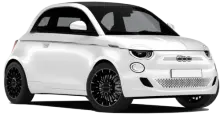
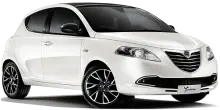
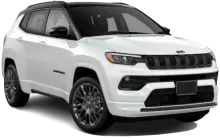
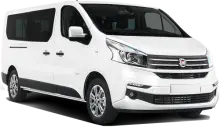
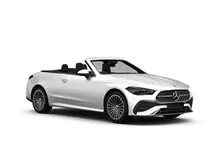
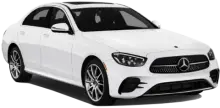
Choose the right car for your trip in Essaouira, Morocco and book in minutes. Compare trusted rental options, find great daily rates, and secure convenient airport pick-up for your travel dates.
Arriving at Essaouira Airport and planning to explore Morocco by car? Renting a vehicle offers fantastic freedom, but the pickup process, costs, and local driving conditions can differ from what you’re used to. This guide will walk you through what to expect when renting a car at Essaouira Airport (ESU), helping you navigate the process smoothly and confidently.
Rental desks are generally located within the arrivals hall of Essaouira Airport. You’ll likely find representatives from several companies offering services there. While the specific companies available can change, you can typically expect to see options from well-known international and local providers. Pickup points are usually a short shuttle ride from the terminal, where you’ll complete the paperwork and inspect the vehicle.
Essaouira and the surrounding region offer diverse landscapes, from coastal roads to more rugged inland areas. Here are some popular car types travelers often choose:
| Economy | $25 - $40 / day |
| Compact | $30 - $50 / day |
| Intermediate | $40 - $60 / day |
| SUV (Small) | $60 - $90 / day |
| SUV (Standard) | $80 - $120 / day |
| Luxury | $150+ / day |
Prices change by season and availability.
For exploring Essaouira itself, an economy or compact car is often sufficient. If you plan on venturing into the Atlas Mountains or driving on unpaved roads, a small to standard SUV is a better choice.
Generally, you’ll need a valid driver’s license (often an international driving permit is recommended for visitors), a passport, and a credit card in the primary driver’s name. The minimum age for renting is typically 21, though some companies may require you to be 25 or older. A security deposit is standard, and the amount will be held on your credit card. Be aware of the deposit amount, as it can vary significantly depending on the car type and insurance options. Payment is almost always by credit card; debit cards are rarely accepted.
Rental companies will offer various insurance options. Collision Damage Waiver (CDW) covers damage to the rental car itself. Theft Protection covers the vehicle if it’s stolen. Often, there’s an ‘excess’ – the amount you’re still responsible for paying in the event of damage or theft. You can reduce this excess by purchasing additional insurance, but this adds to the cost. Carefully consider your existing auto insurance coverage and whether it extends to rentals in Morocco. Don’t hesitate to ask the rental agent to clearly explain the terms of each insurance option before you agree.
Driving in Morocco can be an adventure! Roads are generally in good condition, especially major routes. Toll roads exist, and you’ll typically pay with cash. Parking in cities like Essaouira can be challenging, especially in the medina (old town). Be prepared to pay for parking, and always be aware of your surroundings. Speed limits are generally 100 km/h on highways, 60 km/h in urban areas, and 40 km/h in residential zones. Traffic can be busy, and driving styles can be more assertive than you might be used to. Defensive driving is key.
It’s highly recommended to have an International Driving Permit alongside your valid driver’s license, even if your license is in English or French.
Almost all rental companies require a major credit card for both payment and the security deposit. Debit cards are rarely accepted.
If you have CDW (Collision Damage Waiver), it will cover damage to the car, but there’s usually an ‘excess’ you’ll be responsible for. You can reduce the excess with additional insurance.
Basic insurance is often included, but it usually has a high excess. It’s best to carefully review the insurance options offered and choose what suits your needs.
Yes, there are toll roads, particularly on highways. You’ll typically pay with cash at the toll booths.
Parking in Essaouira, especially within the medina, can be limited and challenging. Be prepared to pay for parking and be mindful of your surroundings.
In Morocco, they drive on the right side of the road, just like in most of Europe and North America.
Yes, but you’ll need to declare the additional driver at the rental desk and there may be an extra daily fee.
Carefully inspect the car for any existing damage (scratches, dents) and make sure it’s noted on the rental agreement before you drive away.
Rental cars should come with a spare tire, jack, and wheel wrench. Your rental agreement should also include a 24-hour assistance number to call for help.
GPS navigation systems are often available for rent, or you can use a smartphone app with offline maps.
Most rental companies offer a ‘full-to-full’ fuel policy, meaning you pick up the car with a full tank and return it full.