Small cars

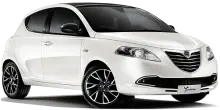
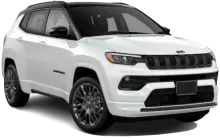
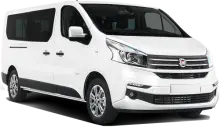


Choose the right car for your trip in Puerto del Rosario, Spain and book in minutes. Compare trusted rental options, find great daily rates, and secure convenient airport pick-up for your travel dates.
Arriving at Fuerteventura Airport and planning to explore the island by car is a great idea. This guide will walk you through the rental process, from finding your rental company to understanding the roads. We’ll cover what to expect with paperwork, potential costs, and a few things to keep in mind while driving in Spain.
Rental desks are generally located within the arrivals hall at Fuerteventura Airport. Follow the signs for car rental, and you’ll find a selection of companies offering vehicles. Several well-known companies typically operate here, including those offering a wide range of vehicles and those specializing in budget options. Expect a short walk or shuttle ride to the actual vehicle pickup points, which are usually located a short distance from the terminal building.
Fuerteventura’s roads are well-suited to a variety of vehicles. Here’s a look at some popular choices, keeping in mind the island’s terrain and typical visitor needs:
| Economy | $25 - $40 / day |
| Compact | $30 - $50 / day |
| Intermediate | $40 - $60 / day |
| SUV (Small) | $50 - $80 / day |
| SUV (Standard) | $70 - $120 / day |
| Convertible | $60 - $100 / day |
Prices change by season and availability.
For exploring the more rugged interior or enjoying a higher vantage point, a small SUV is a good choice. If you plan on sticking to the coastal roads, an economy or compact car will likely be sufficient and more fuel-efficient. Convertibles are popular for enjoying the sunshine!
Generally, you’ll need a valid driver’s license held for at least one year. For visitors from outside the European Union, an International Driving Permit (IDP) is often required alongside your home country license. The minimum age to rent a car is usually 21, though drivers under 25 may face additional fees. Be prepared to present your passport or national ID card. Most companies accept major credit cards, but debit cards may have restrictions. A deposit will be required, typically held on your credit card, to cover potential damage or excess mileage. The amount varies depending on the car class and insurance options.
Collision Damage Waiver (CDW) is a common inclusion, but it usually has an excess – the amount you’re responsible for paying in case of damage. Theft Protection is also often included. Consider whether you need additional coverage to reduce the excess or cover other potential issues like tire damage or windshield breakage. Don’t hesitate to ask the rental agent to clearly explain the terms of each insurance option and what is *not* covered. It’s also worth checking if your credit card offers rental car insurance as a benefit.
Spain has a network of toll roads (autopistas), particularly on the mainland, but Fuerteventura has very few. Parking in towns and cities can sometimes be challenging, especially during peak season. Look for blue or green parking zones, which usually require payment. Speed limits are generally 120 km/h on highways, 90 km/h on conventional roads, and 50 km/h in urban areas. Be aware that speed cameras are common. Driving is on the right side of the road.
If your driver’s license isn’t from the European Union, an IDP is usually required alongside your home country license.
Most rental companies accept major credit cards. Debit card acceptance can be limited.
Typically, the minimum age is 21, but drivers under 25 may pay extra fees.
CDW (Collision Damage Waiver) covers damage to the rental car, but usually has an excess amount you’re responsible for.
Basic insurance (CDW and Theft Protection) is often included, but it’s wise to check the details and consider additional coverage.
Fuerteventura has very few toll roads compared to other parts of Spain.
In Spain, you drive on the right side of the road.
Carefully inspect the car for any existing damage and document it with photos or on the rental agreement.
Rental cars usually include a spare tire, jack, and wheel wrench. Your rental agreement should detail the procedure.
Parking can be challenging in towns, especially during peak season. Look for designated parking zones.
The 'excess' is the amount you pay towards any damage before your insurance coverage kicks in.
Yes, but you’ll usually need to pay an extra daily fee and the additional driver must meet the rental requirements.