Small cars

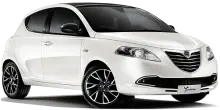
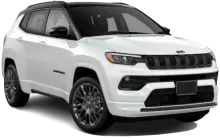
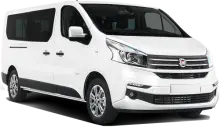


Choose the right car for your trip in Lanzarote, Spain and book in minutes. Compare trusted rental options, find great daily rates, and secure convenient airport pick-up for your travel dates.
Arriving at Lanzarote Airport and planning to explore the island by car is a great idea. This guide will walk you through the car rental process, from finding your rental company to understanding the roads. We’ll cover what to expect at pickup, typical costs, and a few things to keep in mind while driving in Lanzarote and Spain.
Rental desks are generally located within the main arrivals area of Lanzarote Airport. You’ll likely find a range of companies offering vehicles, including well-known names. Follow the signs for ‘Car Rental’ or ‘Rental Cars’ after you collect your luggage. Some companies operate a shuttle service to off-airport pickup locations, so be sure to check the details of your booking. Allow extra time if a shuttle is involved.
Lanzarote’s roads are well-maintained, making most car types suitable. However, considering the terrain, here are some popular choices:
1. Economy Cars (e.g., Fiat 500, similar): Ideal for solo travelers or couples, and for navigating towns.
2. Compact Cars (e.g., VW Polo, similar): A good all-rounder for comfort and fuel efficiency.
3. Intermediate Cars (e.g., Seat Leon, similar): More space for passengers and luggage.
4. Standard Cars (e.g., Ford Focus, similar): Comfortable for longer journeys.
5. SUVs (e.g., Nissan Qashqai, similar): Provide higher ground clearance for exploring more rugged areas.
6. Mini Vans (e.g., VW Caddy, similar): Perfect for families or groups.
7. Convertibles (e.g., Fiat 124 Spider, similar): Enjoy the sunshine!
8. Premium Cars (e.g., Audi A3, similar): For a more luxurious experience.
9. Larger SUVs (e.g., Hyundai Tucson, similar): More space and comfort for families.
10. Luxury Cars (e.g., BMW 3 Series, similar): Top-of-the-line comfort and performance.
Here’s a rough guide to daily price ranges (prices change by season and availability):
| Car Class | Approximate Daily Price (USD) |
|---|---|
| Economy | $25 - $40 |
| Compact | $30 - $50 |
| SUV | $50 - $80 |
| Luxury | $100+ |
Generally, you’ll need a valid driver’s license held for at least a year. For many companies, the minimum age is 21, but drivers under 25 may face an additional fee. Be prepared to present your passport and a major credit card in the driver’s name. Deposits are standard, and the amount will be blocked on your card – it’s not a charge, but it’s important to have sufficient credit available. Payment is usually by credit card; debit cards may be accepted with restrictions.
Collision Damage Waiver (CDW) is often included, but it usually has an ‘excess’ – the amount you’re liable for in case of damage. Theft Protection is also common. You can often reduce the excess by purchasing additional insurance at the rental desk, but consider if your credit card or travel insurance already provides coverage. Always read the terms and conditions carefully, and ask questions if anything is unclear.
Driving in Lanzarote is generally straightforward. Roads are well-maintained, but can be winding in some areas. Spain has a network of toll roads (autopistas), so be prepared to pay if you use them. Parking in towns can be challenging, especially during peak season. Speed limits are typically 120 km/h on highways, 90 km/h on conventional roads, and 50 km/h in urban areas. Remember to drive on the right side of the road.
You’ll typically need your driver’s license, passport, and a credit card.
Most companies require drivers to be at least 21, with potential extra fees for those under 25.
CDW covers damage to the rental car, but usually has an excess amount you’re responsible for.
Yes, Spain has toll roads. Be prepared to pay if you use them.
You drive on the right side of the road in Spain.
Report any damage immediately to the rental company and follow their instructions.
Some companies accept debit cards, but often with restrictions or additional requirements.
The excess is the amount you’re liable for if the car is damaged or stolen, even with insurance.
Parking can be challenging in towns, especially during peak season.
For many nationalities, an International Driving Permit isn’t required for short-term rentals, but it’s always best to check the specific requirements based on your country of origin.
Carefully inspect the car for any existing damage and document it with photos or on the rental agreement.