Small cars

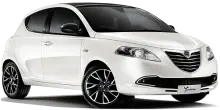
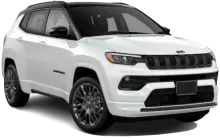
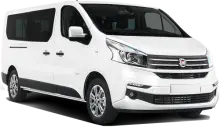


Choose the right car for your trip in Burgos, Spain and book in minutes. Compare trusted rental options, find great daily rates, and secure convenient airport pick-up for your travel dates.
Arriving at Burgos Airport (RGS) and planning to explore the region by car is a great idea. This guide will walk you through the rental process, from finding your car to understanding the roads, and help you avoid unexpected costs. Renting a car offers freedom to discover Burgos and the surrounding countryside at your own pace.
Rental desks are generally located within the main terminal building, often near the baggage claim area. You’ll usually find a variety of companies operating at Burgos Airport, including well-known names. Follow the signs for ‘Car Rental’ or ‘Rental Cars’ upon arrival. Some companies also offer shuttle services to off-airport pickup locations, but most are conveniently on-site.
Burgos and its surrounding areas are best explored with a vehicle suited to your needs. Here are some popular choices:
| Economy | $25 - $40 / day |
| Compact | $30 - $50 / day |
| Intermediate | $40 - $60 / day |
| Standard | $50 - $70 / day |
| SUV | $60 - $100 / day |
| Luxury | $100+ / day |
Prices change by season and availability.
For city driving and shorter trips, an economy or compact car is often sufficient. If you plan on exploring more rural areas or traveling with a family, an SUV or larger vehicle might be more comfortable. Consider an automatic transmission if you’re not used to driving manual cars.
Generally, you’ll need a valid driver’s license held for at least one year. For visitors from outside the European Union, an International Driving Permit (IDP) is often required alongside your home country license. The minimum age to rent a car is typically 21, but drivers under 25 may face additional fees. Be prepared to present your passport or national ID card.
A credit card in the driver’s name is usually required for the security deposit. Debit cards are sometimes accepted, but often with stricter conditions. The deposit amount varies depending on the car class and insurance options, but it’s typically several hundred dollars.
Rental companies will offer various insurance options. Collision Damage Waiver (CDW) covers damage to the rental car itself. Theft Protection covers the vehicle if it’s stolen. Often, there’s an ‘excess’ – the amount you’re still responsible for in the event of damage or theft. You can reduce this excess by purchasing additional insurance, but it adds to the cost. Check if your credit card or existing car insurance provides any coverage before accepting additional insurance at the rental desk. Don’t hesitate to ask the agent to clearly explain the terms of each insurance option.
Spain has a network of toll roads (autopistas), particularly on major routes. Be prepared to pay tolls, either with cash or a credit card. Parking in cities can be challenging, and paid parking zones are common. Look for blue or green parking areas. Speed limits are generally 120 km/h on highways, 90 km/h on conventional roads, and 50 km/h in urban areas. Always pay attention to road signs, as limits can vary. Driving is on the right side of the road.
You’ll typically need a valid driver’s license, your passport, and a credit card.
If your license isn’t from the EU, an IDP is often needed alongside your home country license.
CDW insurance covers damage to the car, but there’s usually an excess you’re responsible for.
Some companies accept debit cards, but conditions may be stricter than with a credit card.
Yes, toll roads are common, especially on highways. Be prepared to pay.
Driving is on the right side of the road in Spain.
Typically 21, but drivers under 25 may pay extra fees.
Follow the signs for ‘Car Rental’ or ‘Rental Cars’ within the terminal.
CDW covers damage to the rental vehicle itself.
Parking in the city can be challenging; look for designated parking areas.
Yes, but you’ll likely need to pay an additional daily fee.
Contact the rental company as soon as possible to inform them of the delay.