Small cars

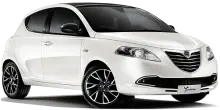
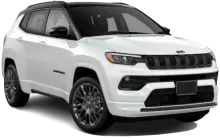
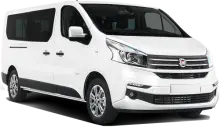
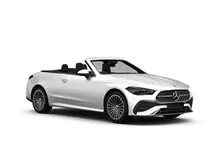
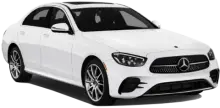
Choose the right car for your trip in Rotorua, New Zealand and book in minutes. Compare trusted rental options, find great daily rates, and secure convenient airport pick-up for your travel dates.
Arriving at Rotorua International Airport and planning to explore the region by car? Renting a vehicle offers fantastic freedom to discover the geothermal wonders, forests, and lakes around Rotorua. This guide covers everything from picking up your keys to understanding local driving conditions, helping you start your New Zealand adventure smoothly.
Rental car desks are generally located within the main terminal building at Rotorua Airport. You’ll typically find representatives from several companies ready to assist you. Common rental companies operating at Rotorua International Airport include Avis, Budget, Hertz, Europcar, and Thrifty. Upon arrival, follow the signs for ‘Car Rental’ or ‘Ground Transportation’ to reach the desks.
Rotorua’s diverse landscape calls for different vehicle types. Here are ten popular choices for visitors:
Here’s a general idea of daily price ranges (prices change by season and availability):
| Car Class | Approximate Daily Price (USD) |
|---|---|
| Economy | $30 - $50 |
| Compact | $40 - $60 |
| Intermediate | $50 - $80 |
| SUV (Small) | $70 - $120 |
| Standard | $60 - $90 |
To rent a car in New Zealand, you’ll generally need a valid driver’s license (held for at least one year), a credit card in the renter’s name, and a passport. The minimum age is usually 21, though some companies may have higher age restrictions and surcharges for younger drivers. A security deposit is standard, held on your credit card and released upon the vehicle’s safe return. Be aware of potential extra charges for additional drivers or returning the car to a different location.
Rental companies will offer various insurance options. Collision Damage Waiver (CDW) covers damage to the rental vehicle, while Theft Protection covers loss or damage due to theft. Often, these come with an ‘excess’ – the amount you’re responsible for paying in the event of a claim. You can reduce this excess by purchasing additional insurance, but carefully consider if it’s necessary. Check if your existing travel insurance or credit card provides rental car coverage before making a decision. Don’t hesitate to ask the rental agent to clearly explain the terms and conditions of each insurance option.
New Zealand drives on the left side of the road. Speed limits are signposted in kilometers per hour (km/h). Be prepared for winding roads, especially in hilly or mountainous areas. Parking regulations vary by city and town; pay attention to signage. There are no toll roads in New Zealand. Allow plenty of time for travel, as distances can be deceptive, and you’ll want to stop and enjoy the scenery. Drive carefully and be mindful of pedestrians, cyclists, and other road users.
You’ll typically need your driver’s license, a valid credit card, and your passport.
It depends on your home country. Check the New Zealand Transport Agency website to see if you need one.
Most rentals include CDW, but there’s usually an excess. You’ll be responsible for paying the excess amount.
Yes, but there’s usually an additional daily fee for each extra driver.
In New Zealand, you drive on the left side of the road.
No, New Zealand does not have any toll roads.
Rental cars come with a spare tire and tools. The rental company should provide instructions.
You’ll likely be charged an extra day’s rental fee.
It depends on the car and the rental agreement. Check the terms and conditions before driving on gravel roads.
The excess is the amount you pay towards any damage before your insurance covers the rest.
Yes, most rental agreements require you to return the car with a full tank of gas.
Contact the rental company’s customer service line. The rental agreement will have contact details.