Small cars


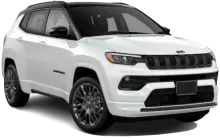



Choose the right car for your trip in Washington, United States and book in minutes. Compare trusted rental options, find great daily rates, and secure convenient airport pick-up for your travel dates.
Arriving at Ronald Reagan National Airport and planning to explore Washington, D.C., or beyond? Renting a car offers flexibility, but the pickup process, understanding costs, and navigating local roads can feel a little daunting. This guide aims to make your rental experience smooth and stress-free, covering everything from finding the rental counters to understanding your insurance options.
Rental car desks at Ronald Reagan National Airport are generally located within the terminals, often with easy access from baggage claim. You’ll typically find a variety of companies operating at DCA, including well-known names. After completing the paperwork, you’ll usually be directed to a parking garage or a designated pickup area, often a short shuttle ride from the terminal itself. Allow extra time for this transfer, especially during peak hours.
The best car for you depends on your travel style and needs. Here are some popular options you’ll likely find available at DCA:
| Economy | $30 - $50/day |
| Compact | $35 - $60/day |
| Mid-Size | $40 - $70/day |
| Standard | $45 - $80/day |
| SUV (Small/Mid) | $60 - $120/day |
| Luxury | $80+/day |
Prices change by season and availability.
Consider an SUV if you plan on exploring areas outside the city or anticipate needing extra space. For city driving and easy parking, an economy or compact car is often a good choice. If you’re traveling with a group or want a more comfortable ride, a standard or luxury vehicle might be preferable.
To rent a car in the United States, you’ll generally need a valid driver’s license, a credit card in your name, and be at least 21 years old (though some companies may have a higher age requirement and charge a young driver fee). A deposit will be required, typically held on your credit card, to cover potential damages or extra charges. Be sure to understand the deposit amount and the process for its return. Payment methods are almost always major credit cards; debit cards may be accepted with restrictions.
Rental companies will offer various insurance options. Collision Damage Waiver (CDW) covers damage to the rental car itself. Theft insurance protects against theft. Excess insurance reduces the amount you’d pay out-of-pocket in case of damage or theft. Check if your existing auto insurance or credit card provides coverage before purchasing additional insurance at the rental counter. Don’t hesitate to ask the agent to clearly explain the terms of each option.
Driving in and around Washington, D.C., involves navigating highways, city streets, and potential traffic congestion. Speed limits are generally posted in miles per hour. Be aware of toll roads and bridges, and familiarize yourself with electronic toll collection systems if you plan to use them frequently. Parking can be challenging and expensive in some areas, so research parking options in advance. Always buckle up, and obey all traffic laws.
You’ll typically need a valid driver’s license, a credit card in your name, and meet the minimum age requirement (usually 21).
If you purchased Collision Damage Waiver (CDW) insurance, it will cover the damage up to a certain amount. Otherwise, you’ll be responsible for the cost of repairs.
Some companies may accept debit cards, but often with restrictions, like a credit check or proof of return travel.
Renters under 25 may be charged an additional daily fee.
Check with your insurance provider and credit card company to see if your existing coverage extends to rental cars.
Yes, there are toll roads and bridges. Research toll payment options before you drive.
Rental car counters are generally located within the terminals, with shuttle service to the parking garages.
The deposit amount varies, but it’s usually a few hundred dollars and is held on your credit card.
Carefully inspect the car for any existing damage and document it with photos or on the rental agreement.
You’ll likely be charged an additional day’s rental fee.
Parking can be quite expensive, especially in popular areas. Look for garages or consider using public transportation.
In the United States, people drive on the right side of the road.