Small cars


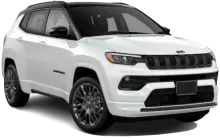



Choose the right car for your trip in Johnstown, United States and book in minutes. Compare trusted rental options, find great daily rates, and secure convenient airport pick-up for your travel dates.
Arriving at Cambria County Airport and planning to explore Johnstown and the surrounding areas? Renting a car offers the most flexibility. This guide covers everything from finding your rental to understanding the costs and getting comfortable behind the wheel in the United States.
Rental car desks are generally located within the main terminal building, often near the baggage claim area. Some companies may operate a shuttle service to an off-airport facility, so check your confirmation details. Typically, you’ll find representatives from several companies at Cambria County Airport, including well-known names.
The best vehicle for your trip depends on your needs. Here are some common choices, and what they’re good for:
Here’s a general idea of daily price ranges. Please remember that prices change by season and availability.
| Car Class | Typical Daily Price (USD) |
|---|---|
| Economy | $30 - $50 |
| Compact | $35 - $60 |
| Mid-Size | $40 - $70 |
| SUV | $60 - $120 |
| Luxury | $80 - $200+ |
To rent a car in the United States, you’ll generally need a valid driver’s license, a credit card in your name, and be at least 21 years old (though some companies may have a higher age requirement, and may charge a young driver fee). A deposit will be held on your credit card to cover potential costs like fuel or damage. Payment methods are almost always major credit cards; debit cards are sometimes accepted with restrictions.
Insurance can be a bit confusing. Collision Damage Waiver (CDW) covers damage to the rental car itself. Theft Protection covers loss due to theft. Excess insurance reduces the amount you’d pay out-of-pocket in case of damage or theft. Your existing auto insurance or credit card benefits may already provide some coverage, so check before you travel. Don’t hesitate to ask the rental agent to explain the options clearly.
Driving in the United States is generally straightforward. Speed limits are posted in miles per hour. Be aware that many highways have tolls, and payment can often be made electronically or by mail. Parking regulations vary by city and town, so pay attention to signs. It’s also important to remember that traffic flows on the right side of the road.
You’ll typically need a valid driver’s license, a credit card in your name, and proof of insurance (if you’re not purchasing it from the rental company).
Most companies require renters to be at least 21 years old, but some may require 25. Younger drivers may face additional fees.
Collision Damage Waiver covers damage to the rental vehicle itself. It’s not a substitute for insurance.
Yes, a deposit will be held on your credit card to cover potential costs. The amount varies.
Some companies accept debit cards, but often with stricter requirements and limitations.
Yes, many highways have tolls. Payment options include electronic toll passes, cash, or pay-by-mail.
Traffic flows on the right side of the road in the United States.
Report any damage to the rental company immediately. Your insurance or CDW may cover the costs.
Parking availability varies depending on the location. City centers can be crowded, so plan accordingly.
Check if your existing auto insurance or credit card provides coverage. Then, decide if the rental company’s options are necessary.
Contact the rental company as soon as possible. They may have a grace period, but your reservation could be canceled.