Small cars

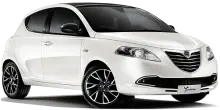
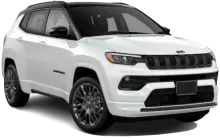
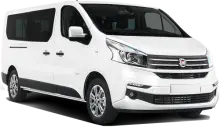

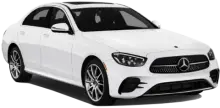
Choose the right car for your trip in Timisoara, Romania and book in minutes. Compare trusted rental options, find great daily rates, and secure convenient airport pick-up for your travel dates.
Arriving at Timisoara Traian Vuia International Airport and planning to explore Romania by car? Renting a vehicle offers fantastic freedom, but the pickup process, insurance options, and local driving conditions can feel a little daunting. This guide will walk you through what to expect when renting a car at TSR, helping you get on the road with confidence.
Rental car desks are generally located within the arrivals area of the airport. Follow the signs for ‘Car Rental’ or ‘Ground Transportation’ after you collect your luggage. Most companies offer a shuttle service to the actual car pickup location, which is often a short drive from the terminal. Several well-known companies typically operate at Timisoara airport, including Avis, Budget, Europcar, Hertz, and Sixt. It’s always a good idea to compare prices and options before you arrive.
The best car for you depends on your travel plans. Here are some popular choices for visitors to Timisoara and the surrounding region:
| Economy (e.g., Fiat 500) | $20 - $35 / day |
| Compact (e.g., VW Golf) | $25 - $40 / day |
| Intermediate (e.g., Skoda Octavia) | $30 - $45 / day |
| SUV (e.g., Dacia Duster) | $40 - $60 / day |
| Standard (e.g., Ford Mondeo) | $45 - $65 / day |
| Luxury (e.g., BMW 3 Series) | $70+ / day |
Prices change by season and availability.
Generally, you’ll need a valid driver’s license, a passport, and a credit card in the driver’s name. Most rental companies in Romania require drivers to be at least 21 years old, though a young driver surcharge may apply for those under 25. A deposit is usually required to cover potential damage or theft; this is typically held on your credit card and released when the car is returned in good condition. Payment is almost always by credit card. Debit cards are rarely accepted for the deposit.
Rental companies will offer various insurance options. Collision Damage Waiver (CDW) covers damage to the rental car itself. Theft Protection covers the vehicle if it’s stolen. Often, there’s an ‘excess’ – the amount you’re still responsible for paying in the event of damage or theft. You can reduce this excess by purchasing additional insurance, but this adds to the cost. Check if your credit card or existing car insurance provides any coverage before you travel. Don’t hesitate to ask the rental agent to clearly explain the terms of each insurance option.
Romania has a network of motorways and national roads. Motorway speed limits are generally 130 km/h, while on national roads, it’s typically 80-90 km/h. Many roads are in good condition, but some rural roads can be narrow and uneven. Romania uses a vignette system for motorway use – you’ll need to purchase a vignette (sticker) and display it on your windshield. Parking in Timisoara can be found on the street, often with paid parking zones. Be aware of parking regulations to avoid fines.
Most companies require drivers to be at least 21, but a young driver surcharge may apply if you’re under 25.
For most nationalities, a valid driver’s license is sufficient, but it’s always best to check the specific requirements based on your country of origin.
Credit cards are almost always required for both payment and the security deposit. Debit cards are rarely accepted.
Collision Damage Waiver covers damage to the rental car itself, but usually has an excess amount you’re still responsible for.
Yes, Romania uses a vignette system. You’ll need to purchase a vignette and display it on your windshield to use the motorways.
Carefully inspect the car for any existing damage and make sure it’s noted on the rental agreement before you leave the lot.
Late returns usually incur extra charges, often a full day’s rental rate.
You can usually rent a GPS navigation system from the rental company, or use a smartphone app.
In Romania, they drive on the right side of the road.
Automatic cars are available, but they are less common and often more expensive than manual transmission vehicles.
Report the accident to the police and the rental company immediately. Obtain a police report and any necessary documentation.