Small cars

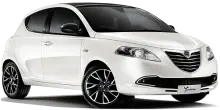

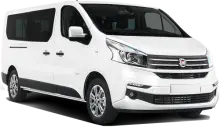


Choose the right car for your trip in Stuttgart, Germany and book in minutes. Compare trusted rental options, find great daily rates, and secure convenient airport pick-up for your travel dates.
Arriving at Stuttgart Airport and planning to explore the region by car is a great idea. This guide will walk you through the car rental process, from finding your rental company to understanding the roads. We’ll cover what to expect at pickup, typical costs, and a few things to keep in mind while driving in Germany.
Rental desks are generally located within the airport terminal building, often accessible from the arrivals area. Follow the signs for ‘Car Rental’ or ‘Rental Cars’ – they are usually quite clear. Many companies offer shuttle services to off-airport pickup locations, but most major providers have a presence directly at the airport. You’ll typically find a good selection of companies including well-known names.
Stuttgart and the surrounding area offer diverse driving experiences, from city streets to winding country roads. Here are some popular car types you’ll likely find available:
| Economy | $30 - $50 / day |
| Compact | $40 - $60 / day |
| Intermediate | $50 - $70 / day |
| Standard | $60 - $80 / day |
| SUV | $80 - $150 / day |
| Luxury | $120+ / day |
Prices change by season and availability.
To rent a car in Germany, you’ll generally need a valid driver’s license, a passport, and a credit card in the primary driver’s name. The minimum age is usually 21, though some companies may have higher age requirements and charge a young driver fee for those under 25. A deposit is almost always required, held on your credit card to cover potential damage or extra charges. The amount varies, but expect several hundred dollars. Payment is typically by credit card; debit cards are often not accepted for the deposit.
Rental companies will offer various insurance options. Collision Damage Waiver (CDW) covers damage to the rental car itself. Theft Protection covers the vehicle if it’s stolen. Often, there’s an ‘excess’ – the amount you’re still responsible for paying in case of damage or theft. You can reduce this excess by purchasing additional insurance, but carefully consider if your existing travel insurance or credit card benefits already provide coverage. Don’t hesitate to ask the rental agent to clearly explain the terms of each insurance option.
Germany has an excellent highway system, but it’s important to be aware of a few things. The Autobahn often has no speed limit, but recommended speeds apply, and sections may have limits. Parking in cities can be challenging and expensive; look for designated parking areas. Tolls are generally not required on highways, but there is an environmental sticker (Umweltplakette) required for driving in many city centers to reduce pollution. Speed limits are clearly posted and strictly enforced.
You’ll typically need a valid driver’s license, your passport, and a credit card.
Most companies require renters to be at least 21 years old, but some may be 23 or 25.
CDW (Collision Damage Waiver) covers damage to the rental car itself.
Basic insurance is often included, but it’s wise to understand the coverage and consider additional options.
Report any damage immediately to the rental company and follow their instructions.
For many nationalities, an International Driving Permit isn’t required for short-term rentals, but it’s best to check the specific requirements for your country.
Tolls aren’t common on highways, but some bridges and tunnels may have fees.
Parking in the city can be limited and expensive; look for designated parking garages or areas.
Credit cards are almost always required for the deposit and rental fee.
Yes, but you’ll usually need to pay an additional fee and the extra driver must meet the rental requirements.
The 'excess' is the amount you're still responsible for paying if there's damage or theft, even with insurance.
Follow the signs for 'Car Rental' within the airport terminal building.